

Quick Answer: You can sell your house with a failed septic system in CT to a cash buyer without repairing or replacing the system first. Connecticut requires sellers to disclose known septic issues, but cash home buyers purchase the property as-is, absorb the inspection and replacement costs themselves, and close in as little as seven to fourteen days. Septic replacement in Connecticut typically costs $15,000 to $50,000, which is why most traditional buyers and their lenders walk away. A cash sale lets you skip the repair entirely and walk away with money in hand.
Why a Failed Septic System Kills Most Connecticut Home Sales
Roughly one in five Connecticut homes relies on a private septic system rather than municipal sewer service, and many of those systems were installed decades ago.
According to the U.S. Environmental Protection Agency, the average septic system has a useful life of 25 to 30 years, after which the risk of failure climbs sharply. Drain field saturation, tank cracks, baffle deterioration, and pipe collapse are common in older systems across the state.
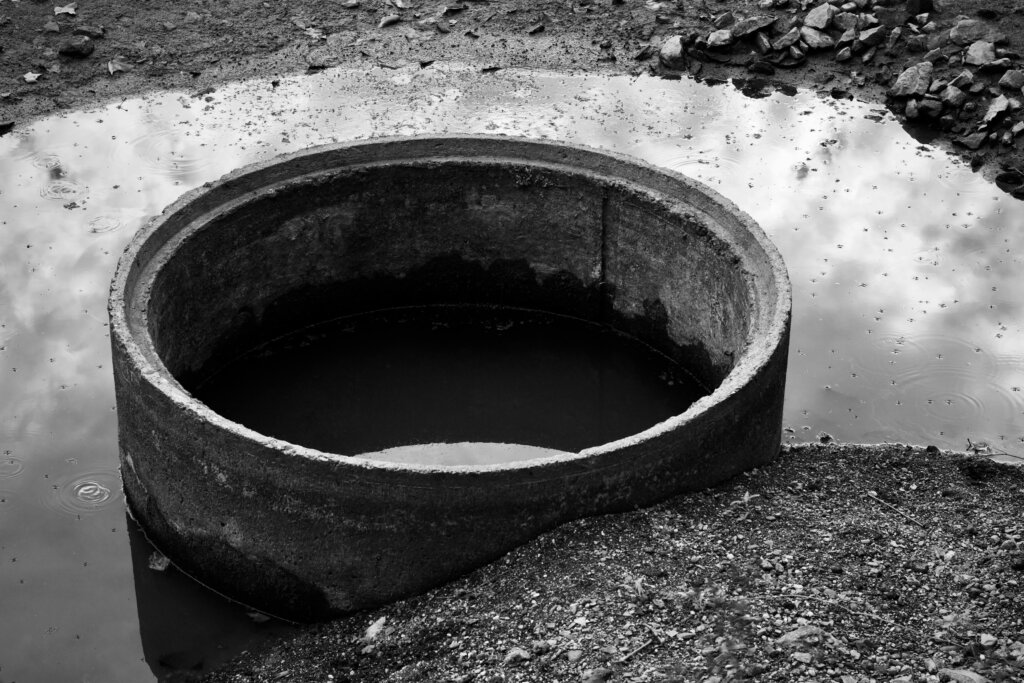
When a septic system fails, the symptoms range from slow drains and sewage backups inside the home to standing water, foul odours, and lush green patches in the yard. The Connecticut Department of Public Health requires failing systems to be repaired or replaced under code, and local health departments can issue orders that prohibit occupancy until the issue is resolved.
For traditional buyers, a failed septic system is almost always a deal breaker. Most mortgage lenders refuse to fund a home with a failing septic, and FHA, VA, and USDA loans all require a passing septic inspection before closing.
Insurance companies often raise rates or decline coverage on properties with documented septic issues. Real estate agents typically advise sellers to replace the system before listing, which adds tens of thousands in upfront costs and weeks or months to the timeline.
If you want to sell your house with a failed septic system in CT without sinking $30,000 or more into a new system, the open market is rarely the right path forward.
What Septic Repair and Replacement Actually Cost in Connecticut
The cost to address a failing septic system depends on the severity of the failure, the size of the property, soil conditions, and whether the existing tank or drain field can be salvaged. The table below breaks down typical costs Connecticut homeowners face when trying to fix the issue before listing.
| Type of Work | Average Cost Range (CT) | Timeline |
|---|---|---|
| Septic Inspection and Pumping | $300 to $700 | 1 day |
| Soil Percolation (Perc) Test | $500 to $2,000 | 1 to 3 weeks |
| Minor Tank Repair | $1,500 to $5,000 | 1 to 3 days |
| Tank Replacement Only | $5,000 to $10,000 | 3 to 5 days |
| Drain Field Replacement | $10,000 to $25,000 | 1 to 3 weeks |
| Full System Replacement | $15,000 to $50,000+ | 2 to 6 weeks |
| Engineered or Mound System | $30,000 to $75,000+ | 4 to 12 weeks |
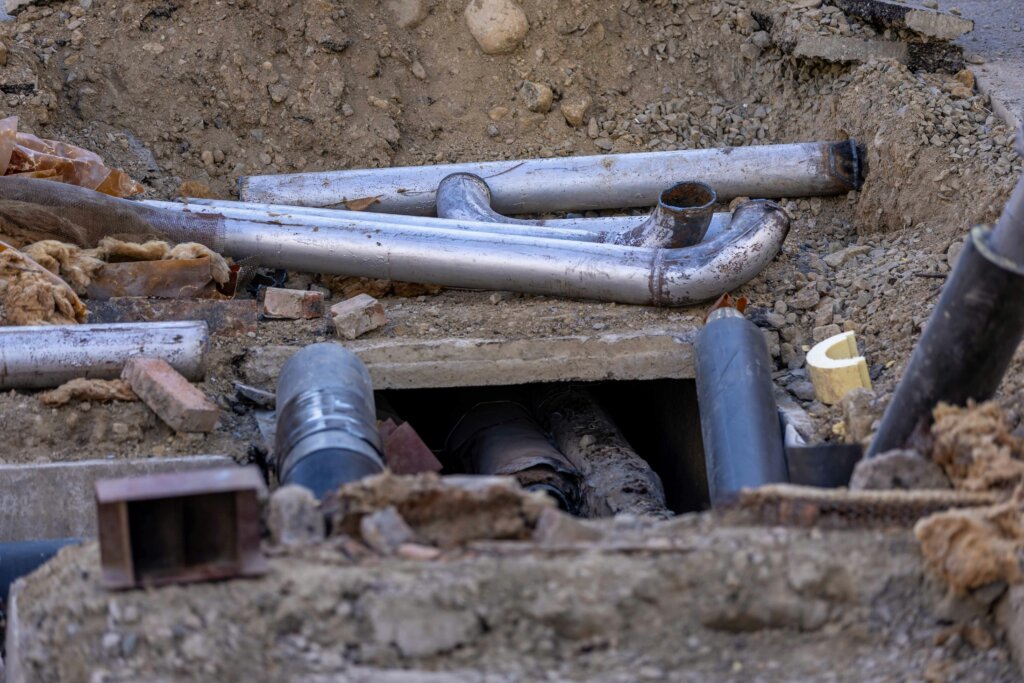
These numbers reflect industry data from the EPA and Connecticut contractor pricing. Properties with poor soil drainage, high water tables, or tight lot sizes often require engineered systems, which push costs into the $50,000 to $75,000 range. On top of the construction expense, you face permitting fees, design costs, and potential delays from the local health department.
Connecticut Disclosure Rules for Septic Issues
Connecticut law requires sellers to disclose known material defects on the Residential Property Condition Disclosure Report, which includes specific questions about septic systems, leaching fields, and sewage disposal. Hiding a known septic failure exposes you to lawsuits for fraud, repair costs, diminished value, and possible rescission of the sale after closing.
The disclosure obligation does not change based on who buys the home. What changes is how the buyer responds to the disclosure. Cash buyers expect septic problems on older Connecticut properties and factor the issue into their offer upfront. No inspection contingency allows the buyer to walk after committing, no demand for last-minute repairs, and no renegotiation when the system fails the test.
Three Ways to Sell Your House With a Failed Septic System in CT
You have three realistic options, and each one comes with very different financial and time commitments.
Replace the Septic System Before Listing
This is the traditional approach. You hire a licensed Connecticut septic contractor, pull permits through the local health department, install a new system, pass final inspection, and then list the home with an agent. The upside is you might recover most of the replacement cost in the sale price. The downside is you front $15,000 to $50,000 or more before you ever see a buyer, deal with weeks of construction in your yard, and still pay 5 to 6 percent in agent commissions plus closing costs once the home sells.
Disclose the Failure and List As-Is
You can disclose the septic issue on the property condition form and list the home anyway. The challenge is finding a buyer willing to take it on. Cash investors who buy distressed properties might engage, but most demand significant price reductions to account for the replacement cost plus a discount for the hassle.
Retail buyers using mortgage financing rarely make it past the inspection stage. You also still pay agent commissions and carrying costs while the home sits on the market.
Sell to a Local Cash Buyer
This is the fastest and cleanest way to sell your house with a failed septic system in CT. A cash buyer like Neighbour Joe purchases the property exactly as it sits, with the failing system in place, no perc test required, no permits pulled, and no replacement work performed.
The offer accounts for the septic issue upfront. You disclose the failure, accept the cash, and close in as little as seven days. The buyer handles the system after closing, whether that means full replacement, repair, or connection to municipal sewer where available.
For homeowners dealing with septic issues alongside other property challenges, our guide on everything you need to know when selling your Connecticut house covers the broader disclosure and sales process across the state.
How the Cash Sale Process Actually Works
Selling a Connecticut home with a failed septic system to a cash buyer follows a straightforward path with no surprises along the way.
Step One: Request a Cash Offer
Reach out by phone or online form with basic details about the property and the septic situation. You do not need a recent inspection or formal documentation, just an honest description of the symptoms or any prior reports you have. A local buyer will do a walkthrough or virtual assessment, account for the septic system in the offer, and provide a no-obligation cash quote within 24 hours.
Step Two: Pick Your Closing Date
Once you accept the offer, you choose when to close. Most cash sales involving failed septic systems in Connecticut close within seven to fourteen days. The closing date can flex if you need more time to coordinate moving logistics or transition to your next home.
Step Three: Close and Hand Over Responsibility
On closing day, you sign the deed, transfer ownership, and receive the full cash amount agreed upon. The buyer takes on the septic system as part of the property. Your involvement ends. You do not pay for replacement, you do not deal with the health department, and you do not coordinate construction.

The Real Financial Difference Between the Two Routes
The math on selling your house with a failed septic system in CT through a cash buyer, compared to the traditional route, is rarely close once you account for the full picture.
A homeowner who replaces the system, lists with an agent, and sells at full market value typically nets a similar amount to a cash sale after factoring in the $20,000 to $40,000 replacement cost, 5 to 6 percent agent commission, 2 to 3 percent in closing costs, and several months of holding expenses while the work is completed.
The risk in the traditional route is that costs almost always run higher than expected. Soil testing reveals problems. The health department demands a larger or engineered system. Construction delays push the timeline from weeks into months.
Meanwhile, you keep paying property taxes, insurance, utilities, and any mortgage on a home you cannot use or sell. On a $325,000 Connecticut property, the all-in cost of going traditional often runs $35,000 to $60,000 before you ever see the sale proceeds.
The cash route eliminates that uncertainty. Even if the offer comes in below full retail value, sellers usually net more in their pocket because they skip the upfront replacement cost and avoid the months of stress.
If your septic issue is layered on top of other complications, our breakdown on selling your Connecticut house before foreclosure covers how cash sales work for properties facing multiple types of pressure at once.
Why Cash Buyers Are Willing to Take On Failed Septic Systems
Cash buyers operate on a different financial model than retail buyers. They have the capital, contractor relationships, and bulk pricing to replace septic systems for substantially less than what a homeowner would pay out of pocket.
They also do not need mortgage approval, which removes the lender requirement for a passing septic inspection. The risk that scares off traditional buyers is exactly the kind of risk cash buyers are built to absorb.
For Connecticut homeowners, this means you have a reliable exit even when the system has completely failed, and the local health department is breathing down your neck. The faster you act, the more leverage you preserve.
If you want to sell your house with a failed septic system in CT without spending a dime on replacement or testing, the cash buyer route removes nearly every obstacle the traditional process throws at you.
Neighbor Joe buys Connecticut homes in any condition, including properties with failed septic systems, drain field issues, or active health department orders, and closes on your timeline. Reach out for a free, no-obligation cash offer and resolve the situation cleanly.
Frequently Asked Questions
Do I have to disclose a failed septic system when selling a CT home?
Yes. Connecticut law requires sellers to disclose known septic and leaching field defects on the Residential Property Condition Disclosure Report. Failing to disclose can result in lawsuits, financial penalties, and possible rescission of the sale.
Can I sell my CT home if the local health department has issued an order on my septic system?
Yes. Cash buyers will purchase Connecticut properties even when the health department has issued repair or replacement orders. The buyer assumes responsibility for resolving the order after closing.
How much less will I get for a home with a failed septic system versus one with a new system?
The discount typically reflects the cost of replacement plus a margin for the buyer’s risk and time. Most sellers still net more by skipping the $20,000 to $50,000 upfront cost and avoiding months of construction and carrying expenses.
Will mortgage lenders approve a buyer for a home with a failing septic system?
Rarely. FHA, VA, USDA, and most conventional lenders require a passing septic inspection before funding. This is the main reason traditional sales of homes with septic failures collapse during underwriting.
How quickly can I sell a home with a failed septic system to a cash buyer?
Most cash sales involving failed septic systems close in seven to fourteen days. Some close in as little as five to seven days when title work is straightforward, and you are ready to move quickly.