

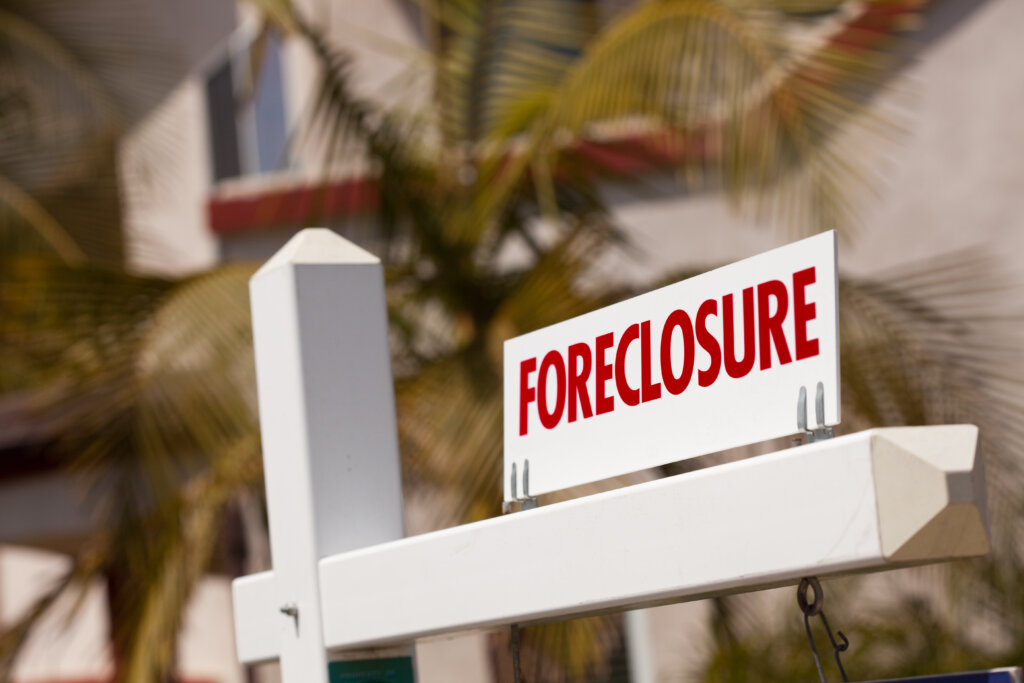
If you have fallen behind on your mortgage payments and received a notice from your lender, you may have come across the term “strict foreclosure.” For most people, it sounds intimidating. Connecticut handles foreclosure very differently from most other states, and the rules here can work against you quickly if you are not paying attention.
This guide explains what strict foreclosure is, how it works in Connecticut, how it compares to the other type of foreclosure used in the state, and what options you have at every stage of the process.
Connecticut Is One of the Few Strict Foreclosure States
Most states require the lender to sell the property at a public auction. Connecticut does not work that way in most cases. Connecticut is one of only a handful of states in the country that uses strict foreclosure as its primary foreclosure method. Under strict foreclosure, there is no auction. Instead, the court sets a deadline called a Law Day. If you have not paid off the entire outstanding debt by that date, title to your home transfers directly to the lender. No bidding, no sale, no check for any remaining equity.
How the Strict Foreclosure Process Works
The Lender Files a Complaint
The process begins when your lender files a foreclosure complaint in Connecticut Superior Court. Once the complaint is filed, a lis pendens is recorded on your property title. You will be served with the complaint and given a window of time, typically 20 to 30 days, to respond. Ignoring this notice does not make the process stop.
The Court Enters a Judgment of Foreclosure
If the lender proves its case and you have not successfully contested the complaint, the court enters a judgment of strict foreclosure. As part of the judgment, the court assigns Law Days. Your Law Day is the deadline by which you must pay off the entire mortgage balance, including accumulated interest, fees, and legal costs, to retain ownership of your home. Not a partial payment. The full outstanding amount.
Law Days for Junior Lienholders
If there are other creditors with claims against your property, such as a second mortgage or a mechanic’s lien, each of those lienholders receives their own Law Day in sequence. Each lienholder has the option to redeem the property on their Law Day by paying off all the debts ahead of them. If none of them redeem and you do not pay off the debt by your Law Day, the title transfers directly to the lender.
Title Transfers to the Lender
Once the Law Day passes without the debt being repaid, the lender automatically acquires title to your home. There is no redemption period after that point in Connecticut. Once Law Day passes, the process is complete, and the home belongs to the lender.
Can the Lender Come After You for More Money?
Yes. If the value of your home is less than what you owe, the lender may be able to seek a deficiency judgment against you for the difference. This is one reason why allowing strict foreclosure to run its course without taking any action can create financial problems that follow you long after you have lost the home.
Your Rights as a Homeowner
Even once the foreclosure process has started, you have meaningful options. You have the right to contest the complaint. You can request an extension of your Law Day. Courts in Connecticut have discretion to grant additional time, particularly if you are actively working toward a solution such as refinancing, a loan modification, or a sale of the property. Most importantly, you can exercise your right of redemption at any point before your Law Day by paying the full amount owed.
Strict Foreclosure vs. Foreclosure by Sale
Connecticut also uses foreclosure by sale when the court determines that the fair market value of the property is greater than the outstanding debt. In that scenario, an auction is ordered, and competitive bidding could produce proceeds that cover the debt and leave something for you.
| Feature | Strict Foreclosure | Foreclosure by Sale |
|---|---|---|
| When Used | Property value is at or below the debt | Property value exceeds the outstanding debt |
| Outcome | The title passes directly to the lender on Law Day | Property sold at public auction; proceeds distributed |
| Auction Required | No | Yes |
| Homeowner Equity | Typically, none; the lender absorbs the remaining value | The homeowner may receive a surplus if the sale exceeds the debt |
| Deficiency Judgment Risk | Higher, the lender may sue for the shortfall | Lower if auction proceeds cover the debt |
| Timeline | Law Day is set shortly after the court judgment | Auction no sooner than 30 days after judgment |
How a Cash Sale Can Help You Avoid Strict Foreclosure
Selling your home for cash to a direct buyer is often the fastest and most straightforward way to stop a strict foreclosure before Law Day arrives. A cash buyer does not need a mortgage approval, which eliminates financing contingencies that cause delays. A direct cash sale can close in as little as a week, on a date that works for your schedule. Cash buyers typically purchase as-is, so you do not need to make repairs, clean, or stage the property.
Neighbor Joe has helped Connecticut homeowners navigate exactly this kind of situation since 2018. We buy homes in any condition, anywhere in Connecticut, with a cash offer in 24 hours and no obligation to accept. Step 1: Get Your Free Offer at 203-590-9487 or neighborjoe.com. Step 2: Choose Your Closing Date. Step 3: Start Your Next Chapter. Call 203-590-9487 today.
Frequently asked questions
What happens if I miss my Law Day in Connecticut?
If your Law Day passes without the full debt being repaid, title to your home transfers automatically to the lender. There is no redemption period after this point in Connecticut.
Can I sell my home during a strict foreclosure?
Yes. You can sell your home at any point before Law Day as long as the sale closes and the mortgage is paid off in time. A cash buyer is often the most practical option because there are no financing delays and closing can happen in days.
Is strict foreclosure the same as regular foreclosure?
No. In most states, foreclosure ends with a public auction. Strict foreclosure skips the auction entirely. If you do not pay off the debt by the court-ordered Law Day, the lender gets the property directly.
Can the lender sue me for money after taking my home in strict foreclosure?
Yes, potentially. If your home is worth less than what you owe, the lender may seek a deficiency judgment against you for the difference. Negotiating or completing a sale before Law Day can sometimes produce a better outcome.
What is the difference between a Law Day and a foreclosure auction date?
A law day is the deadline in a strict foreclosure by which the homeowner must repay the debt in full. There is no auction. A foreclosure auction date, used in foreclosure by sale, is when the property is publicly sold to the highest bidder. The two terms apply to two different processes under Connecticut law.