

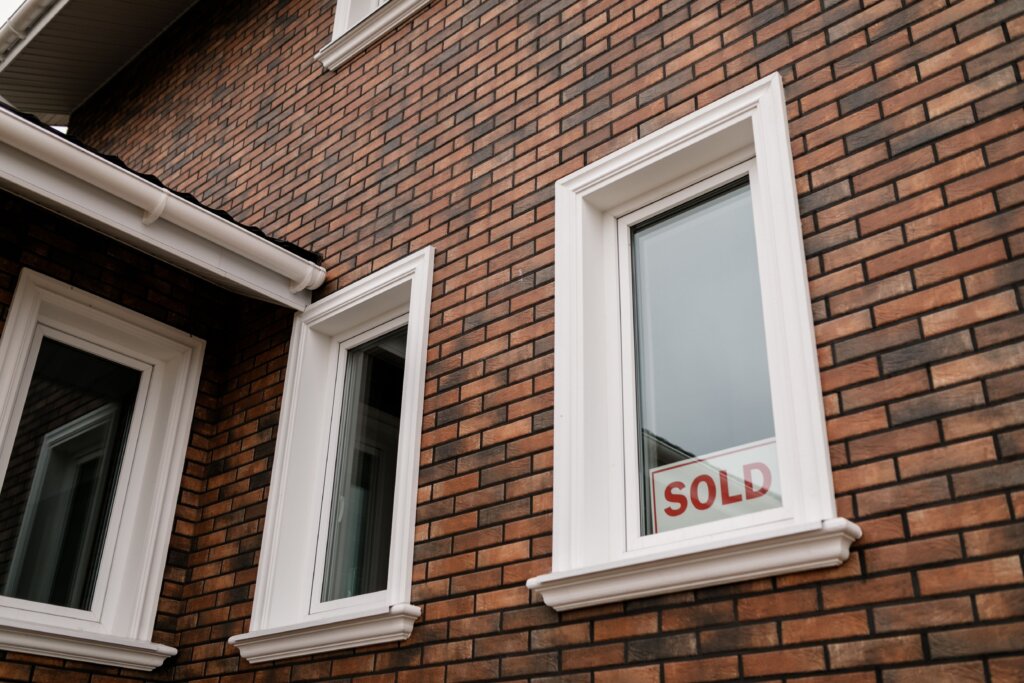
Finding Out Your Renovation Was Never Permitted Is Stressful
Discovering that your finished basement, converted garage, or backyard deck was never permitted can feel like a gut punch, especially if you had no idea the work was done incorrectly in the first place. Maybe a previous owner did the work, or maybe it happened years ago, and you simply forgot to follow up. Either way, once you decide to sell, that unpermitted work can suddenly feel like a roadblock standing between you and a smooth closing. This guide walks you through what unpermitted work actually means for Connecticut homeowners, how it affects a traditional sale, what your realistic options are, and how you can still sell a house with unpermitted work in CT without months of delays or costly repairs.
What Counts as Unpermitted Work on a Connecticut Home
Unpermitted work is any renovation, addition, or structural change made to a property without pulling the required permits from the local building department or without passing the inspections that go along with those permits. It is more common than most homeowners realize, and it can show up in almost any part of a house.
Some of the most frequent examples include finished basements that were converted into living space without proper permits for electrical, plumbing, or egress requirements, home additions such as an extra bedroom, sunroom, or expanded living area built without town approval, converted garages turned into bedrooms, offices, or in-law suites, decks, porches, or patios built without the required permits or inspections, and electrical or plumbing changes, including panel upgrades, rewiring, or new fixtures installed without a licensed inspection.
Any of these situations can turn into a real issue when you try to sell a house with unpermitted work in CT, especially if a buyer’s attorney or a town records search uncovers the problem before closing.
What Connecticut Sellers Need to Know About Disclosure
Connecticut sellers are generally expected to disclose known property condition issues on the property condition disclosure form, and that includes any unpermitted work you are aware of. If you know that a room addition or a finished basement was never permitted, this is not something you can simply leave off the paperwork and hope no one notices.
Being upfront about unpermitted work protects you as much as it protects the buyer. Trying to hide an issue can lead to legal complications down the road, even after the sale has closed. If you are planning to sell a house with unpermitted work in CT, honesty on your disclosure form is the safest and simplest starting point, no matter which path you choose to sell.
How Unpermitted Work Complicates a Traditional Financed Sale
This is where most homeowners run into trouble. A traditional sale, the kind where a buyer is using a mortgage to purchase your home, involves several layers of scrutiny that unpermitted work does not hold up well against.
Lenders and appraisers are often the first to flag the issue. When an appraiser walks through a home and notices square footage or a room that does not match public records, they may ask questions or reduce the appraised value. Some lenders will not finance a home at all if unpermitted work is discovered, since it introduces risk they are not willing to take on.
Homeowners insurance can also be affected. If a claim is ever filed on a part of the home that was renovated without a permit, the insurer may deny coverage or reduce the payout, and a new buyer’s insurance company may flag the issue before the policy is even approved.
Then there is the buyer’s attorney. In Connecticut, real estate attorneys are heavily involved in the closing process, and a thorough attorney will often pull town records as part of due diligence. If they discover an unpermitted addition to a Connecticut home sale that was not disclosed, or one that raises red flags, it can lead to renegotiation, demands for repairs, or the buyer walking away entirely.
All of these factors combine to make selling a house with no permits in CT through a traditional, financed sale slower, more stressful, and less predictable than most sellers expect.
Your Realistic Options: Retroactive Permits or Selling As-Is
Once you know unpermitted work exists, you generally have two paths forward. Understanding both will help you decide what makes the most sense for your timeline, your budget, and your peace of mind.
Pulling Retroactive Permits
One option is to go back and get the work permitted after the fact. This usually means contacting your local building department, submitting plans or documentation for the work that was done, and scheduling an inspection to confirm everything meets current code.
For sellers weighing whether to sell a house with unpermitted work in CT as-is or fix it first, this path can work, but it is rarely quick or cheap. Inspectors may require you to open up walls, replace materials that do not meet code, or redo portions of the work entirely. Depending on what needs to be corrected, this process can take weeks or months, and there is no guarantee the work will pass without additional repairs. For sellers who are already under time pressure, whether from a job relocation, financial strain, or simply wanting to move on, this option can add significant delay to an already stressful situation.
Removing or Altering the Work
The other traditional option is removing or altering the unpermitted portion of the home so it no longer needs to be disclosed as a permit issue. This might mean converting a finished basement back to an unfinished state or removing an addition that was never approved. Like retroactive permitting, this route takes time, money, and often a contractor, none of which is ideal when you are trying to sell.
Selling As-Is Without Resolving the Permit Issue First
The third option, and often the most practical one, is selling the home as-is to a cash buyer who does not require the permit issue to be resolved before closing. This removes the biggest obstacle standing in the way of a traditional sale and lets you move forward on your own timeline instead of the timeline dictated by inspections, lenders, or contractor availability.
The Neighbor Joe Advantage
Neighbor Joe has been helping Connecticut homeowners sell their houses since 2018, and unpermitted work is a situation we see often. If you are trying to sell a house with unpermitted work in CT and want a straightforward path forward, here is what makes working with us different.
We buy houses as-is, in any condition, including homes with unpermitted additions, unfinished repairs, or renovations that were never inspected. You will never need to make repairs, clean the property, or stage anything before we walk through. Because we are not relying on a mortgage lender or a buyer’s insurer to approve the sale, we do not require the permit issue to be resolved before closing, which removes the exact obstacle that trips up so many traditional sales.
There are no commissions and no hidden fees. A traditional agent typically charges five to six percent in commission, and closing costs can run another two to five percent of the sale price. Neighbor Joe covers closing costs, so the offer you receive is the amount you actually walk away with.
You also get to choose your closing date. Whether you need to close in as little as seven days or want a bit more time, typically seven to fourteen days, the schedule is built around your needs, not ours. There are no financing contingencies to worry about, no lengthy back-and-forth negotiations, and no lowball tactics. We are a local, Connecticut-based buyer; we handle all the paperwork, and we always do an in-person visit so our offer reflects the real condition of your home.
How Selling to Neighbor Joe Works
Selling a house with unpermitted work in Connecticut does not have to be complicated. Our process is built to be simple and fast, with just three steps.
- Get Your Free Offer. Reach out and tell us about your property, including any unpermitted work or repairs it needs. We will schedule an in-person visit and put together a fair, no-obligation cash offer within 24 hours.
- Choose Your Closing Date. Once you accept the offer, you pick the timeline that works for you, whether that is a fast seven-day close or a bit more breathing room over the following weeks.
- Start Your Next Chapter. We handle the paperwork, cover the closing costs, and get you to the closing table without the stress of inspections, financing delays, or permits. Requirements holding things up.
If unpermitted work is standing between you and a sale, you have options that do not involve months of retroactive permitting or costly renovations, and you can still sell a house with unpermitted work in CT on your own timeline. Selling a house with no permits in CT does not need to be a drawn-out process when you work with a local buyer who understands the situation and buys homes exactly as they are.
Call Neighbor Joe today at 203-590-9487 or request your free, no-obligation cash offer online, and take the first step toward selling your Connecticut home on your own terms.