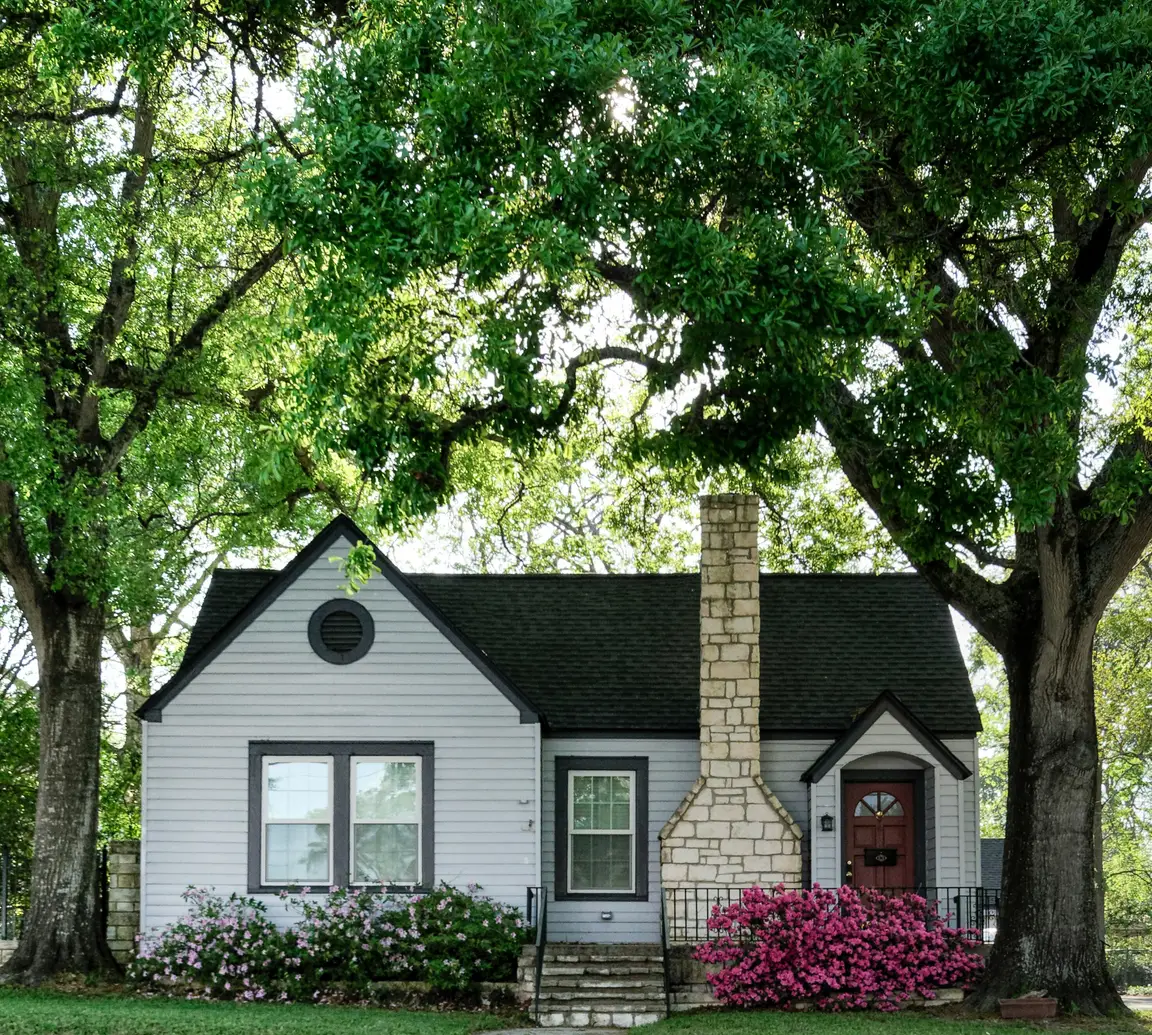

You have seen the signs on telephone poles and the postcards in your mailbox: we buy houses CT, any condition, cash offer, fast closing. The pitch is simple, but most homeowners have never actually gone through the process and do not know what happens between the first phone call and the closing table.
This guide walks through exactly how the transaction works, what a legitimate cash offer is built from, what Connecticut law requires along the way, and how to tell a real buyer from an operator who is just shopping your contract to someone else.
What “We Buy Houses CT” Actually Means
A we buy houses CT company is a direct buyer. It purchases your property with its own funds, not a mortgage, which removes the lender, the appraisal, and the loan approval timeline from the transaction entirely. The property is bought as-is, meaning no repairs, painting, or cleaning is required before closing.
This is different from listing with an agent, where you are marketing the house to the general public and waiting for a buyer who still needs financing. A direct buyer is the buyer from the first conversation, and the deal moves at the pace of paperwork instead of the pace of the mortgage market.
How the We Buy Houses CT Process Works Step by Step
Step One: Contact and Property Details
You reach out with the property address and a few basic facts: the type of home, its general condition, whether anyone is currently living there, and your ideal timeline. Nothing needs to be cleaned, repaired, or emptied before this conversation happens.
Step Two: The Walkthrough
A local buyer visits the property in person, usually within a day or two. The walkthrough is not an inspection in the lender’s sense. It is a chance to see the condition firsthand so the offer reflects reality instead of guesswork.
Step Three: How the Offer Gets Calculated
A fair offer starts with what the home would sell for once fully repaired, based on recent comparable sales in your area. From that number, the buyer subtracts the honest cost of repairs, their own carrying costs such as taxes and insurance while they hold the property, transaction costs, and a margin for risk. Any legitimate buyer should be able to walk you through that math with specifics about your house, not a generic formula.
Step Four: Signing the Purchase Agreement
If the number works for you, you sign a straightforward purchase agreement. A real cash offer has no financing contingency and no appraisal contingency, since there is no lender involved. Some contracts include an inspection period, so it is worth asking directly whether the price can change after signing.
Step Five: Title Search and Attorney Review
Connecticut requires an attorney to handle every real estate closing, and that does not change with a cash sale. Your attorney, or the buyer’s attorney working alongside yours, runs a title search to confirm ownership and identify anything attached to the property, such as old mortgages, liens, judgments, or unpaid municipal charges. Most title issues resolve in a matter of days. Ones involving probate or missing heirs can take longer.
Step Six: Closing Day
The deed and closing documents are prepared, any mortgage or lien payoffs are calculated, and funds are arranged. On closing day you sign the paperwork, the payoffs are settled, and your proceeds are issued. With a we buy houses CT sale, the buyer typically covers the closing costs, so the number you agreed to is close to the number you walk away with.
We Buy Houses CT vs Listing With an Agent
Both paths get you to a sale, but the trade-offs are different.
Listing with an agent generally reaches a higher headline price, especially for a home already in good condition. It also comes with a four to six percent commission, thirty to ninety days on market before an offer even arrives, another thirty to sixty days for the buyer’s financing, an inspection period that often reopens negotiations, and the real risk that the loan gets denied or the appraisal comes in low and the whole process restarts.
A direct cash sale skips all of that. There is no commission, no showings, no repair list, no financing contingency, and no waiting for a buyer to appear. What you give up is the chance at top retail price. What you gain is certainty: a firm number and a closing date you choose.
For a house that needs real work, or a seller who cannot afford months of carrying costs and uncertainty, that trade usually favors the direct sale. For a move-in ready home and a seller with time to spare, listing may net more.
Legal and Paperwork Worth Knowing
Connecticut Requires an Attorney at Closing
Unlike some states, Connecticut does not allow real estate closings without an attorney. This applies whether you list traditionally or sell to a direct buyer, and it is one reason the paperwork stays consistent no matter which path you choose.
The Property Condition Disclosure Report
Connecticut law requires sellers to complete a Residential Property Condition Disclosure Report before a buyer signs a purchase agreement. If you do not provide it, the buyer is entitled to a $500 credit at closing instead. Selling as-is does not remove this requirement. You still disclose what you know about the property’s condition, and being upfront about problems never hurts a cash offer, since the condition gets priced in either way.
Conveyance Tax
Connecticut charges a state conveyance tax at closing, calculated in tiers: 0.75 percent on the portion of the sale price up to $800,000, and higher rates above that threshold. Towns add a municipal conveyance tax on top, typically a quarter percent of the sale price, though certain cities charge up to half a percent. The seller pays both, and a we buy houses CT buyer covering your closing costs often means this comes out of the buyer’s side of the ledger instead of yours.
How to Vet a We Buy Houses CT Company
The direct buyer space attracts more bad actors than the rest of the market, because sellers under pressure are easier to take advantage of. Four questions filter out the operators from the real buyers.
Ask for proof of funds, since anyone who cannot show the money is not a cash buyer. Ask whether they are purchasing the property themselves or assigning your contract to someone else, since an assigned contract introduces a stranger and a delay you did not agree to. Ask whether the contract contains any contingency that would let the price drop after you sign. And ask how they arrived at their number, expecting specifics about your house and recent sales nearby rather than a script.
A legitimate we buy houses CT company answers all four without hesitation. Vague answers or pressure to sign quickly are the clearest warning signs.
Who Actually Uses a We Buy Houses CT Buyer
The house’s condition is often only part of the story. Homeowners turn to a direct sale for inherited properties they cannot afford to renovate, homes heading toward foreclosure, rentals with problem tenants or years of deferred maintenance, fire or water damaged houses, properties with liens or back taxes, and homeowners who simply want to sell my house fast in CT because of a job move, a divorce, or a health issue. None of these situations are unusual to a buyer who does this work regularly.
How Selling to Neighbor Joe Works
At Neighbor Joe, the process is three steps from first call to closed sale.
- Get your free offer. Share your address and a few details about the property. We visit in person and provide a fair, no-obligation cash offer within 24 hours, with the math behind it explained.
- Choose your closing date. Once you accept, the date is yours. Seven days is realistic if you need to move fast, and several weeks works just as well if you need time.
- Get paid. We handle the paperwork and cover the closing costs, so you collect the full amount we agreed on and move forward.
Frequently Asked Questions
Is a we buy houses CT offer the same as a market listing price?
No. A cash offer reflects the home’s condition today, minus repairs and the buyer’s costs. A list price is a starting point that still has commission, concessions, and months of carrying costs subtracted from it before you see net proceeds.
Do I need to make repairs before selling to a direct buyer?
No. A direct buyer purchases the property exactly as it stands, including deferred maintenance, outdated systems, and damage of any kind.
How fast can a we buy houses CT sale actually close?
Once the title is clear, closing in about seven days is realistic, since there is no lender, no appraisal, and no financing timeline to wait on. Sellers who need more time can choose a later date instead.
Do I still have to disclose problems with the house?
Yes. Connecticut requires a property condition disclosure report or a $500 credit to the buyer in its place, regardless of whether the sale is as-is.
Are there fees or commissions when I sell to a direct buyer?
Not with Neighbor Joe. We cover the closing costs, and there is no commission taken out of your proceeds.
Get Your Cash Offer Today
Understanding how a we buy houses CT sale actually works takes the mystery out of the signs and postcards. It is a direct purchase, built on real numbers, with Connecticut’s normal closing requirements still in place, just without the lender, the repairs, and the months of waiting.
Neighbor Joe buys homes across Connecticut in any condition, pays with our own funds, covers the closing costs, and closes on the date you pick. Reach out for a free, no-obligation cash offer within 24 hours and see how simple selling can be.