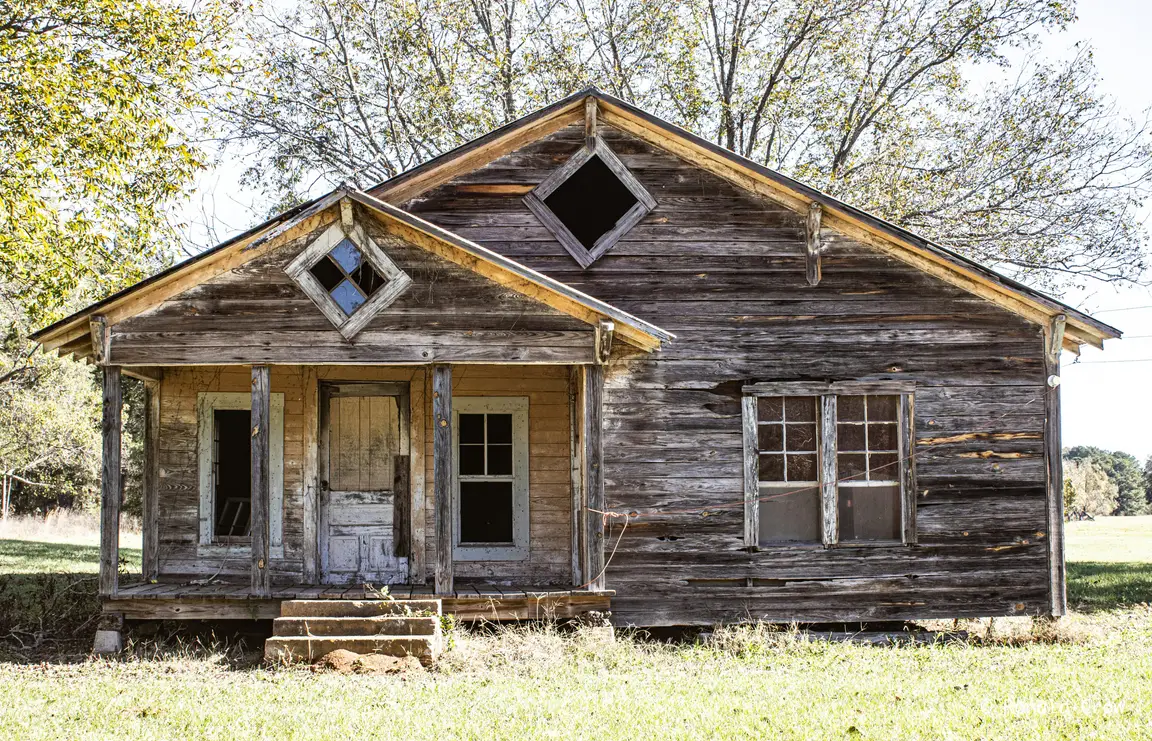

There is a moment every owner of a rough house knows: standing in the kitchen, adding up what it would take to make the place sellable, and realizing the number is bigger than anything you are willing or able to spend. A roof at the end of its life. A foundation crack that keeps growing. Fire damage in two rooms. A basement that floods every spring. The house has real problems, and every path forward seems to start with money you do not have.
Companies that say we buy distressed houses exist for exactly this situation. But the phrase gets used loosely, and not every operator behind it works the same way. This guide explains what actually makes a house distressed, why the traditional market handles these properties so badly, and how to sell one as-is for a fair price without spending another dollar on it.
What Counts as a Distressed House
Distressed is a broad label, and it covers more than collapsing porches. When we buy distressed houses, the problems generally fall into a few categories.
- Structural issues. Foundation cracks, sagging rooflines, rotted sills and framing, and settling that has moved doors and floors out of true.
- Major system failures. Dead boilers and furnaces, electrical panels and wiring that no longer meet code, failed wells, and septic systems at the end of their life.
- Damage. Fire, water, storm, and mold damage, whether repaired badly or never repaired at all.
- Environmental and age-related problems. Asbestos insulation, lead paint, buried oil tanks, and the knob and tube wiring common in Connecticut homes built before 1940.
- Neglect and overload. Hoarding conditions, years of deferred maintenance, or a property that has sat vacant so long the town has taken notice.
- Paper problems. Open code violations, unpermitted additions, back taxes, and liens can distress a house just as thoroughly as a bad roof.
A house only needs one of these to get stuck in the traditional market. Many have several, and they compound. The point of a we buy distressed houses service is that none of them, alone or together, stop a sale.
Why the Traditional Market Fails These Homes
The core problem is not that buyers will not fall in love with a fixer-upper. It is that their lenders will not.
Conventional and FHA loans require the property to meet minimum condition standards. An appraiser who finds a failing roof, exposed wiring, peeling lead paint, or an unusable heating system can require those items corrected before the loan closes. That repair happens on your dime, before you get paid, or the deal dies. For a house that needs major work, the list of required corrections can run so long that no financed sale is realistic at any price.
That shrinks your buyer pool to people paying cash, and the retail cash buyers who tour distressed listings tend to be bargain hunters making aggressive offers with inspection contingencies attached, which means the price they quote is a starting point for the reductions they plan later. This is the gap that legitimate we buy distressed houses companies fill: a purchase built for the property’s actual condition, with no lender standards to satisfy and no contingency games.
The Renovate-First Trap
The most expensive mistake distressed-property owners make is trying to fix the house before selling it. The logic feels sound: spend fifty thousand, add ninety thousand in value. The reality in older Connecticut housing rarely cooperates.
Renovating a distressed home means opening walls, and opening walls means finding what seventy years of patchwork hid: undersized wiring spliced into newer circuits, framing cut by past plumbers, moisture damage nobody documented. Budgets built on a clean scope do not survive a dirty house. Meanwhile the mortgage, taxes, insurance, and utilities bill every month the project runs, and a half-finished renovation is worth less on the market than an honest wreck, because now the buyer inherits someone else’s incomplete work.
If you have contractor-level experience, funds to absorb overruns, and no deadline, a full renovation can pay. Everyone else is usually better off letting the buyer carry the repair risk. When we buy distressed houses, the repair budget, the overruns, and the surprises behind the walls all become our problem on the day of closing, not yours before it.
How an As-Is Sale Actually Works
Selling a distressed house directly is simpler than most owners expect, largely because everything that makes a traditional sale slow is skipped.
The Walkthrough Prices the Problems Once
Every honest we buy distressed houses purchase starts with an in-person visit. A local buyer walks the property and prices the work at real contractor rates. Nothing needs cleaning or emptying first, and hiding problems is pointless in the best way: the issue gets priced either way, and early disclosure is what keeps the number firm. A buyer who quotes on a distressed property sight unseen is guessing, and a guessed number is a number that drops later.
The Offer Reflects Real Math
A fair offer starts with what the home would sell for after the work is done, based on actual nearby sales, then subtracts the honest repair cost, the buyer’s carrying and transaction costs, and a margin for risk. Any company advertising we buy distressed houses should walk you through that math line by line. If they cannot, the number is not real.
Closing Follows Your Calendar
With no lender, no appraisal, and no repair negotiations, closing can happen in as little as seven days once the title is clear. Sellers who need longer, to finish probate, coordinate a move, or empty out decades of belongings, set a later date instead. And the belongings part is optional: leave what you do not want, and the cleanout happens after closing.
What You Never Have to Do
The we buy distressed houses model removes every prerequisite that stops these sales cold. You never repair anything, from the roof down to the septic. You never clean, stage, or host a showing. You never pay a commission, a fee, or closing costs. You never wait on an appraisal or a mortgage approval. And you never watch an agreed price shrink after an inspection, because the inspection already happened at the walkthrough.
The Situations Behind Most Distressed Sales
The house’s condition is usually only half the story. When we buy distressed houses, there is almost always a situation attached: an inherited property the heirs cannot afford to renovate, a foreclosure timeline that is already moving, a landlord done with a building that eats every rent check, an owner whose health or age makes the stairs and the maintenance impossible, or a vacant house racking up code violations in a town that has started sending letters. Distressed property buyers who do this work regularly have seen all of it, which means your complicated version is not the exception. It is the job.
How to Vet a Distressed-Property Buyer
The distressed end of the market attracts more bad operators than any other, because owners under pressure are easier to squeeze. Protect yourself with four questions. Ask for proof of funds, because anyone who cannot show the money is not a cash buyer. Ask whether they are purchasing the property themselves or assigning your contract to a third party. Ask whether the contract contains any inspection period or due diligence clause that would let the price change after signing. And ask them to explain how they reached the number, expecting specifics about your house and your area, not a formula recited from a script.
A legitimate we buy distressed houses operation answers all four without flinching. Hesitation on any of them is your answer.
Three Steps From Rough House to Closed Sale
With Neighbor Joe, the process for a distressed property is the same as for any other home we buy.
- Get your free offer. Share the address and whatever you know about the condition. We walk the property in person, price the work honestly, and deliver a fair, no-obligation cash offer within 24 hours.
- Choose your closing date. Seven days out if the situation is urgent, or weeks later if you need time. The calendar is yours.
- Start your next chapter. We cover the closing costs and handle the paperwork. Take what you want, leave the rest, and the house and everything wrong with it becomes our responsibility.
Frequently Asked Questions
Is my house too far gone to sell?
No. Condemned, fire-damaged, hoarded, and structurally compromised homes all sell every week. When we buy distressed houses, the condition sets the price, not whether a sale is possible.
Do I have to clean out decades of belongings first?
No. Take what matters to you and leave everything else, furniture and all. Cleanout is part of what we buy distressed houses companies handle after closing, at no cost to you.
Will code violations or town liens stop the sale?
No. Violations and liens get resolved through the closing, typically paid from proceeds, and a buyer who handles distressed properties regularly knows how to work with the town to clear them.
What about a house with an old oil tank, asbestos, or lead paint?
We buy distressed houses with all three routinely. Environmental issues are a repair line in the offer, not a disqualifier, and you are never asked to remediate anything before closing.
How do I know the offer will not drop before closing?
Because a firm offer has no inspection contingency. The property gets evaluated at the walkthrough, the number reflects it, and nothing in the contract allows a later reduction. That is the difference between real distressed property buyers and the operators to avoid.
Sell the House As-Is and Be Done
A house that needs major work does not need you to fix it. It needs a buyer whose entire business is taking on exactly these properties. That is what we buy distressed houses means when the company behind it is real: the repairs, the risk, the cleanout, and the town’s letters all transfer to us on closing day.
Neighbor Joe buys distressed houses across Connecticut in any condition, pays with our own funds, covers the closing costs, and closes on your timeline. Reach out for a free, no-obligation cash offer within 24 hours and find out what your house is worth exactly as it stands.