

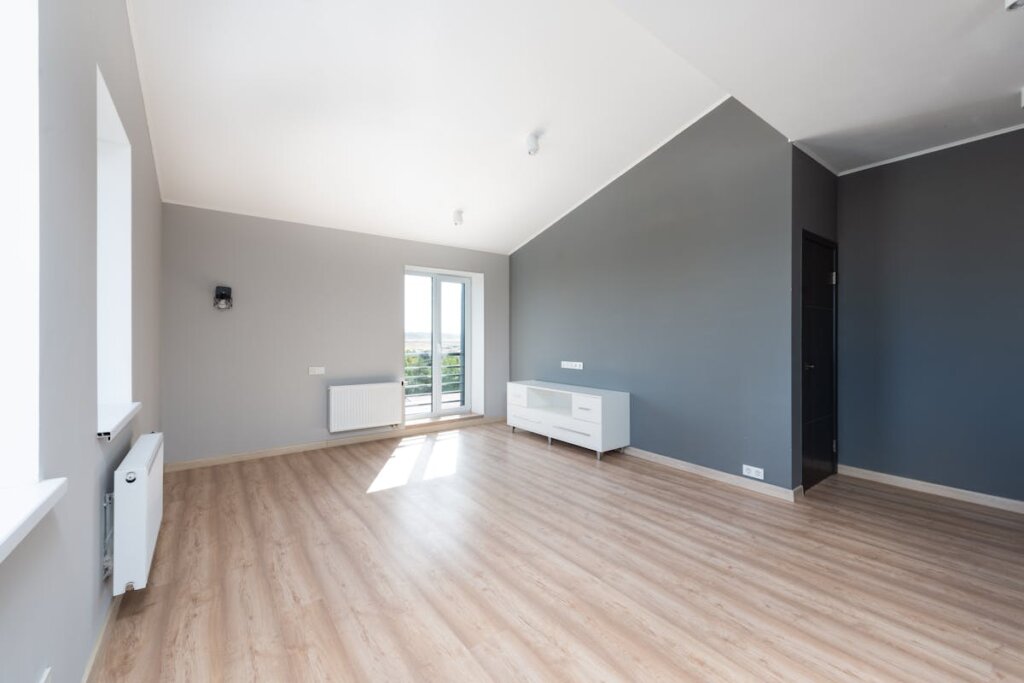
Owning a vacant property can quickly become more stressful than many homeowners expect. While an empty house may seem easier to sell at first, the reality is often the opposite. Vacant homes in Connecticut tend to sit longer on the market, attract fewer qualified buyers, and create ongoing expenses that quietly drain your finances.
If you are trying to sell a vacant house, understanding the smartest approach early can help you avoid costly delays and protect your equity.
Many property owners assume that listing a vacant home is the obvious next step. However, without the right strategy, this decision can lead to months of carrying costs, repeated price reductions, and unexpected risks. Learning how to sell a vacant house efficiently allows you to stay in control and move forward without unnecessary complications.
Why Vacant Houses Are Harder to Sell Than You Think
A vacant home sends subtle signals to buyers that can work against you. When people walk into an empty property, they often notice flaws more easily. Small cosmetic issues, outdated finishes, or minor damage can feel larger when there is no furniture to soften the space. This can make buyers hesitant and lead to lower offers or longer decision times.
From the outside, a vacant house can also raise concerns. Overgrown lawns, uncollected mail, and a lack of visible activity may give the impression that the home has been neglected. Buyers may wonder if there are hidden problems or if the seller is desperate. These perceptions make it harder to sell a vacant house quickly through traditional methods.
In addition, many buyers prefer homes that feel lived in. A vacant property can feel cold or impersonal, which limits emotional connection. Since emotions play a major role in purchasing decisions, this lack of connection can slow down the selling process significantly.
The Financial Burden of Holding a Vacant Property
One of the biggest challenges when trying to sell a vacant house is the ongoing cost of ownership. Even when no one lives there, expenses do not stop. Property taxes, insurance, utilities, lawn care, and general maintenance continue month after month. These costs add up quickly, especially if the home stays on the market longer than expected.
Insurance premiums are often higher for vacant homes because they carry increased risk. Issues like vandalism, theft, frozen pipes, or unnoticed water leaks are more common in empty properties. If damage occurs while the home is vacant, repairs can be expensive and further delay your ability to sell a vacant house.
Security is another concern. Vacant homes can attract trespassers or unwanted attention, creating liability risks for the owner. Even minor incidents can turn into major headaches that complicate the sale process and reduce buyer confidence.
Traditional Listing Delays and Buyer Financing Issues
When homeowners list a vacant property with a real estate agent, they often underestimate how long the process can take. Even in strong markets, vacant homes typically take longer to sell. Buyers may make offers contingent on inspections, appraisals, and financing approvals, each of which introduces potential delays.
If a buyer’s financing falls through, the property goes back on the market, restarting the waiting period. This can be especially frustrating when trying to sell a vacant house, as every additional week means more out-of-pocket costs. Appraisal issues are also common, particularly if the home needs updates or repairs. A low appraisal can force price reductions or cause the deal to collapse entirely.
Without furniture or staging, many agents recommend spending money to make the home more appealing. Staging, repairs, cleaning, and landscaping can improve marketability, but they also require upfront investment with no guarantee of a faster sale.
Why Speed Matters When You Sell a Vacant House
Time is one of the most critical factors when selling a vacant property. The longer the house sits empty, the more money it costs you. Delays increase carrying costs and expose the property to more risks. This is why the smartest way to sell a vacant house focuses on speed and certainty rather than chasing a top market price that may never materialize.
Quick sales reduce financial strain and allow you to move on. Whether the property is inherited, no longer needed, or tied to a life change, reducing the time it remains vacant helps preserve your peace of mind and financial stability.
Selling As Is to Avoid Repairs and Preparation
Many vacant homes need work, especially if they have been empty for an extended period. Systems may be outdated, cosmetic issues may be visible, or maintenance may have been deferred. Preparing such a property for the open market can be costly and time-consuming.
One of the smartest strategies to sell a vacant house is to sell it as is. This means you do not make repairs, upgrades, or improvements before selling. Instead, the buyer accepts the home in its current condition. This approach eliminates repair expenses and avoids inspection negotiations that can delay or derail a sale.
Selling as is is particularly helpful when the home requires more work than you are willing or able to manage. It allows you to avoid sinking more money into a property that no longer serves your needs.
How Cash Buyers Simplify the Process
Cash buyers offer a practical solution for homeowners looking to sell a vacant house without delays. Because they do not rely on mortgage financing, cash transactions move much faster. There are no lender requirements, no appraisals tied to loans, and no financing contingencies.
Cash buyers typically purchase vacant homes as is and can close on a flexible timeline. This allows you to choose a closing date that works for you and eliminates the uncertainty that comes with traditional buyers. For many sellers, this certainty is worth more than waiting months for a higher offer that may never close.
Another advantage of working with a cash buyer is reduced costs. There are usually no real estate commissions, and many cash buyers cover closing costs. This helps protect your net proceeds and simplifies the entire process of selling a vacant house.
Making the Smart Choice for Your Situation
Every homeowner’s situation is different, but vacant properties present unique challenges that require careful consideration. Before listing, it is important to evaluate how long you can afford to hold the property, what repairs may be needed, and how much risk you are willing to take on.
The smartest way to sell a vacant house is often the one that minimizes delays, reduces expenses, and provides a clear path forward. By focusing on speed, simplicity, and certainty, you can avoid the common pitfalls that cause vacant homes to linger on the market.
Final Thoughts on Selling a Vacant House
Selling a vacant property does not have to be stressful or drawn out. By understanding the challenges involved and choosing a strategy designed to avoid delays, you can move forward with confidence. Whether you prioritize speed, reduced costs, or convenience, taking a thoughtful approach will help you sell a vacant house efficiently and without unnecessary setbacks.