

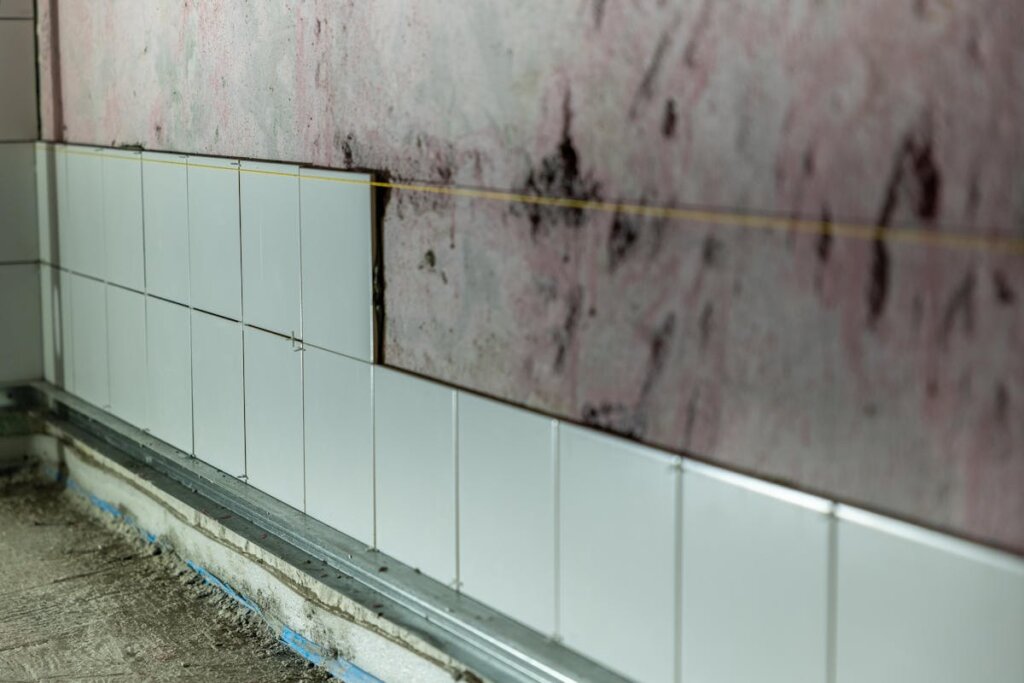
Selling a mold-damaged home without repairs can feel overwhelming, especially when you are unsure how buyers in Connecticut will react to visible mold or a history of moisture problems.
Many homeowners worry that mold automatically means they must invest thousands of dollars into remediation before they can sell. The reality is that selling a mold-damaged home is possible without making repairs, as long as you understand your options, your legal obligations, and the most practical paths to a successful sale.
Selling a mold-damaged home in Connecticut is more common than many people realize. Older homes, basements, coastal humidity, and past water leaks all contribute to mold growth across the state.
If you are feeling stuck with a property that has mold issues, this guide will help you understand how selling a mold-damaged home without repairs actually works and why it may be the smartest decision for your situation.
Understanding Mold Problems in Connecticut Homes
Mold thrives in environments where moisture is present, and Connecticut homes are especially vulnerable due to seasonal humidity, snow melt, heavy rain, and aging construction. Selling a mold-damaged home often starts with understanding how the mold developed and why it is still present.
Basement leaks, poor ventilation, roof damage, plumbing failures, and long-term humidity can all create conditions where mold grows behind walls, under flooring, or inside HVAC systems. In many cases, homeowners only discover mold after noticing a musty smell, visible discoloration, or health symptoms.
Once mold is identified, selling a mold-damaged home becomes a concern because buyers associate mold with health risks and expensive repairs.
The cost of professional mold remediation in Connecticut can be substantial. Depending on severity, remediation can range from several thousand dollars to well over ten thousand. For homeowners already facing financial strain, investing that kind of money before selling is often unrealistic. This is why selling a mold-damaged home without repairs is a practical option for many sellers.
Legal Disclosure Requirements When Selling a Mold-Damaged Home
Selling a mold-damaged home in Connecticut comes with legal responsibilities. While Connecticut does not have a mold-specific disclosure law, sellers are required to disclose known material defects that could affect the value or safety of the property. Molds that you are aware of typically fall under this requirement.
Selling a mold-damaged home does not mean you must fix the problem, but it does mean you must be honest. If you know there is mold or water damage that caused it, you should disclose that information accurately. Failure to disclose known mold issues can lead to legal problems after the sale, including potential lawsuits from buyers who discover the issue later.
Transparency protects you as a seller. When selling a mold-damaged home without repairs, clear disclosure sets expectations upfront and reduces the risk of disputes. Buyers who proceed after disclosure understand the condition of the property and accept the risks involved.
Challenges of Selling a Mold-Damaged Home Through Traditional Listings
Selling a mold-damaged home through a traditional real estate listing can be difficult. Most buyers using conventional financing are cautious when it comes to mold. Lenders and insurance companies often require mold issues to be addressed before approving a loan.
During inspections, mold can trigger requests for remediation, air quality testing, and further evaluations. These requests often lead to price reductions, delayed closings, or deals falling apart entirely. Selling a mold-damaged home through a real estate agent may also involve pressure to make repairs or invest in professional remediation to attract buyers.
Even if you find a buyer willing to proceed, the appraisal process can become a hurdle. Appraisers may note mold damage as a condition issue, which can impact the appraised value and financing approval. This makes selling a mold-damaged home without repairs far more challenging in a traditional sale.
Selling a Mold-Damaged Home As Is
Selling a mold-damaged home as is means you are offering the property in its current condition, without making repairs or improvements. This approach is often the most realistic option for homeowners who cannot or do not want to invest in remediation.
When selling a mold-damaged home as is, pricing becomes important. The asking price should reflect the condition of the property and the anticipated cost of addressing the mold. Buyers who pursue as-is homes typically expect a discount in exchange for taking on repairs themselves.
Marketing also matters. Selling a mold-damaged home honestly and clearly attracts buyers who are prepared for the condition. These buyers may include investors, contractors, or cash buyers who specialize in properties with issues. While the pool of buyers is smaller, the likelihood of a smoother transaction is often higher.
Health Concerns and Buyer Perceptions
One reason selling a mold-damaged home can feel intimidating is the health stigma surrounding mold. Buyers often associate mold with respiratory problems, allergies, and long-term health risks. While not all mold is toxic, the perception alone can deter traditional buyers.
Selling a mold-damaged home without repairs requires understanding this mindset. Many buyers simply do not want to deal with the uncertainty. Others see mold as an opportunity to purchase a home at a lower price and renovate it properly.
By targeting the right type of buyer, selling a mold-damaged home becomes far more manageable. Cash buyers and investors are typically less concerned about mold because they plan to remediate as part of their renovation process.
Why Selling a Mold-Damaged Home for Cash Makes Sense
Selling a mold-damaged home for cash is often the simplest and fastest solution. Cash buyers do not rely on lender approvals, which eliminates many of the obstacles associated with mold. There are no bank-required repairs, no financing contingencies, and usually no appraisal issues.
When selling a mold-damaged home to a cash buyer, inspections are often limited or waived entirely. This reduces the back-and-forth negotiations that often derail traditional deals. Cash buyers evaluate the property based on its current condition and factor remediation costs into their offer.
Another benefit of selling a mold-damaged home for cash is speed. Closings can happen in days or weeks rather than months. This is especially valuable if the property is vacant, deteriorating, or causing ongoing stress.
Avoiding Repair Costs and Ongoing Expenses
Mold problems rarely resolve themselves. Moisture issues can worsen over time, leading to more extensive damage. Selling a mold-damaged home without repairs allows you to stop the financial bleeding.
Holding onto a mold-damaged home often means continued expenses such as property taxes, insurance, utilities, and maintenance. Insurance may even deny coverage or increase premiums once mold is documented. By selling a mold-damaged home as is, you transfer the responsibility and risk to the buyer.
This approach also avoids the uncertainty of remediation results. Even after professional cleanup, buyers may remain skeptical or request further testing. Selling a mold-damaged home without repairs eliminates this cycle.
How Neighbor Joe Helps With Selling a Mold-Damaged Home
Neighbor Joe specializes in helping homeowners who feel stuck. Selling a mold-damaged home to Neighbor Joe means you do not need to fix anything, clean anything, or worry about inspections. The property is purchased as is, regardless of the extent of the mold damage.
The process is straightforward. After you reach out, a fair cash offer is provided based on the condition of the home. There are no commissions, no hidden fees, and no pressure to make repairs. Selling a mold-damaged home through Neighbor Joe allows you to choose a closing date that works for you.
Because Neighbor Joe is a cash buyer, there is no waiting on banks or appraisals. This removes the biggest obstacles homeowners face when selling a mold-damaged home through traditional channels.
Moving Forward After Selling a Mold-Damaged Home
Selling a mold-damaged home can feel like a huge weight lifted. Once the sale is complete, you can move on without worrying about ongoing damage, health concerns, or mounting costs. Whether the property was inherited, rented, or owner-occupied, selling a mold-damaged home without repairs provides closure and financial relief.
Many homeowners regret waiting too long, hoping the problem will somehow resolve itself. Mold issues tend to grow more expensive over time. Choosing to sell sooner rather than later often leads to better outcomes.
If you are considering selling a mold-damaged home in Connecticut, remember that you do have options. You do not need to pour money into repairs or navigate a stressful traditional sale. A direct cash sale can provide a clean break and a fresh start.