

Finding Out Your Older Connecticut Home Has Lead Paint
Learning that your home has lead paint can feel like a gut punch, especially when you were already planning to sell. Older homes across Connecticut were built during decades when lead-based paint was standard, and finding out your property falls into that category can raise a lot of questions about timing, disclosures, and whether buyers will even want to move forward. If you are trying to sell a house with lead paint, CT sellers face a unique set of hurdles that newer homes simply do not have.
The good news is that this is a common, manageable situation, not a dead end. This guide walks you through what the law requires, why lead paint shows up so often in Connecticut’s older housing stock, how it can slow down a traditional sale, and the realistic options you have as a homeowner ready to move on.
Understanding the Federal Lead Paint Disclosure Requirement
If you plan to sell a house with lead paint and CT regulations, you need to know about it starting at the federal level, not the state level. Any home built before 1978 falls under a federal rule that requires sellers to disclose known lead-based paint hazards before a sale can close.
What the Law Requires
If your home was built before 1978, federal law requires you to tell buyers about any lead-based paint hazards you know about and to share any records or reports you have on file, such as past inspection results or testing documents. This is often referred to as the lead paint disclosure Connecticut sellers must complete alongside their other closing paperwork, even though the underlying rule applies nationwide, not just here.
You are not required to test for lead paint if you have not already done so, and you are not required to guess. The obligation is to disclose what you actually know, in writing, before the buyer is bound to the contract.
The 10-Day Inspection Window
Along with the disclosure itself, federal law gives buyers a 10-day period to conduct their own lead paint inspection or risk assessment before they become fully obligated to the deal. This window exists so buyers can make an informed decision and, if they choose, walk away or renegotiate based on what they find.
For a seller trying to sell a house with lead paint, CT timelines can stretch out because of this window alone. Add in the back and forth that often follows an inspection, and a straightforward sale can turn into weeks of delay.
Why Lead Paint Is So Common in Older Connecticut Homes
Connecticut has one of the oldest housing stocks in the country, with a large share of homes built in the early to mid-1900s. Colonial-era towns, historic neighborhoods, and older suburban streets are full of charming properties that also happen to predate the 1978 cutoff for lead-based paint.
This means that if you own an older home here, you are far from alone in dealing with this issue. Selling an old CT home with lead paint is a routine part of the local real estate landscape, not a rare or unusual complication.
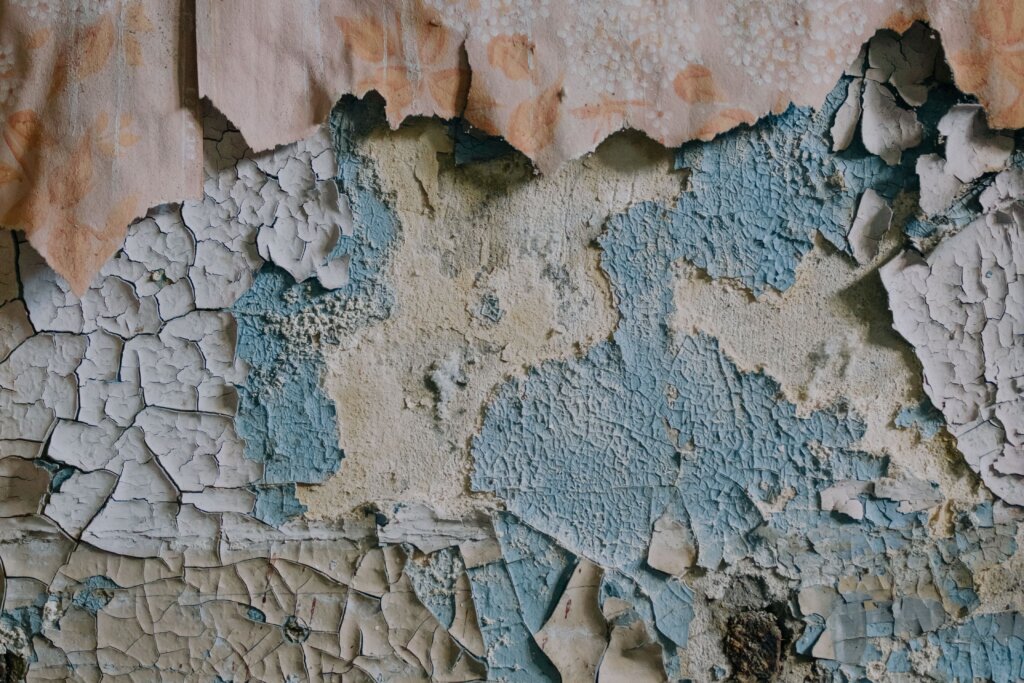
It is also worth understanding that lead paint on its own is often not dangerous. Paint that is intact, well sealed, and undisturbed generally poses a low risk. The concern usually comes from deteriorating paint, chipping or peeling surfaces, renovation work that disturbs old layers, or homes where young children are present. Those situations can sometimes trigger closer scrutiny or specific handling requirements, which is part of why lenders and buyers pay attention to it during a sale.
How Lead Paint Can Complicate a Traditional Financed Sale
Disclosure requirements are only part of the picture. The bigger challenge for many sellers comes from how lead paint interacts with financing.
Financing and Government-Backed Loan Requirements
Traditional buyers, particularly those using certain government-backed loan programs, may be required to have the home tested for lead paint before their financing can be approved. In some cases, the lender will require remediation before the loan is allowed to close at all. That can mean paying for testing, hiring a certified contractor, and completing the work before you ever get to the closing table.
For someone trying to sell a house with lead paint, CT financing rules like these can add real cost and real delay to a sale that might otherwise be simple.
Buyer Hesitation and Negotiations
Even when financing is not the issue, plenty of buyers get nervous the moment lead paint comes up. Some will ask for a price reduction to cover potential remediation. Others will use the inspection period to renegotiate terms, and some will walk away entirely rather than deal with an unfamiliar issue. None of that is a reflection of your home’s true value, but it can still stall a sale for weeks or months.
Your Options as a Seller: Remediate or Sell As-Is With Disclosure
Once you understand the disclosure requirement and how it affects buyers, it helps to know what your actual choices are.
Remediation Before Listing
One option is to address the lead paint before you put your home on the market. This can involve professional testing, encapsulation, or removal work performed by a certified contractor. Costs and timelines vary widely depending on the size of the home and the extent of the work needed, so this route is best discussed directly with a licensed lead paint professional rather than estimated in advance.
Remediation can make your home more appealing to traditional, financed buyers, but it also means spending money and time upfront, with no guarantee of exactly how much value it adds to your final sale price.
Selling As-Is With Full Disclosure
The other option is to sell your home as-is, with the required lead paint disclosure completed honestly and completely. This keeps you fully compliant with federal law while avoiding the upfront cost of remediation. The tradeoff is that many traditional buyers, and their lenders, may still hesitate or make the deal contingent on repairs.
This is exactly where a direct cash buyer can change the equation for owners of older homes.
The Neighbor Joe Advantage
Neighbor Joe has been buying houses directly from Connecticut homeowners since 2018, and older homes with lead paint are a situation we understand well. If you want to sell a house with lead paint ct without the financing headaches, here is what working with us actually looks like.
We buy homes exactly as they are, including older properties with lead paint, without asking you to remediate, repair, clean, or stage anything first. There is no requirement to address the lead paint before closing, which removes one of the biggest obstacles that traditional financed buyers run into.
Because we buy with cash, there are no financing contingencies to worry about, no lender requiring a lead paint test before approval, and no risk of the deal falling apart over financing at the last minute. You also will not deal with lengthy negotiations or lowball offers. We give you a straightforward cash offer within 24 hours, with no obligation to accept it.
Selling to us also means no commissions and no fees. A traditional listing agent typically charges 5 to 6 percent in commission, and closing costs can run another 2 to 5 percent of your sale price. We cover the closing costs ourselves, so the offer we give you is the amount you actually walk away with.
We are a local Connecticut buyer, and we handle all the required paperwork, including your lead paint disclosure, so you are not left figuring out complicated forms on your own. We also do an in-person visit to your property, so our offer reflects your home as it truly is. Best of all, you choose your closing date. We can close in as little as 7 days, though most sellers land somewhere between 7 and 14 days depending on their own timeline.
How to Sell Your House With Lead Paint in Connecticut in 3 Simple Steps
If you are ready to sell a house with lead paint ct without the delays of a traditional sale, here is how the process works with Neighbor Joe.
- Get Your Free Offer. Reach out to us and share some basic details about your property. We will schedule an in-person visit and give you a fair, no-obligation cash offer within 24 hours.
- Choose Your Closing Date. Once you accept our offer, you pick the closing date that works best for you. Need to close fast? We can do it in as little as 7 days. Need more time to plan your move? We can accommodate that too.
- Start Your Next Chapter. We handle the paperwork, including your lead paint disclosure, take care of closing costs, and get you paid on your chosen date. No repairs, no remediation, and no stress. Just a clean, simple sale.
You do not have to spend money on lead paint remediation or wait on a lender’s approval to move forward. If you are ready to sell your older Connecticut home with lead paint the easy way, contact Neighbor Joe today and get your free, no-obligation cash offer.