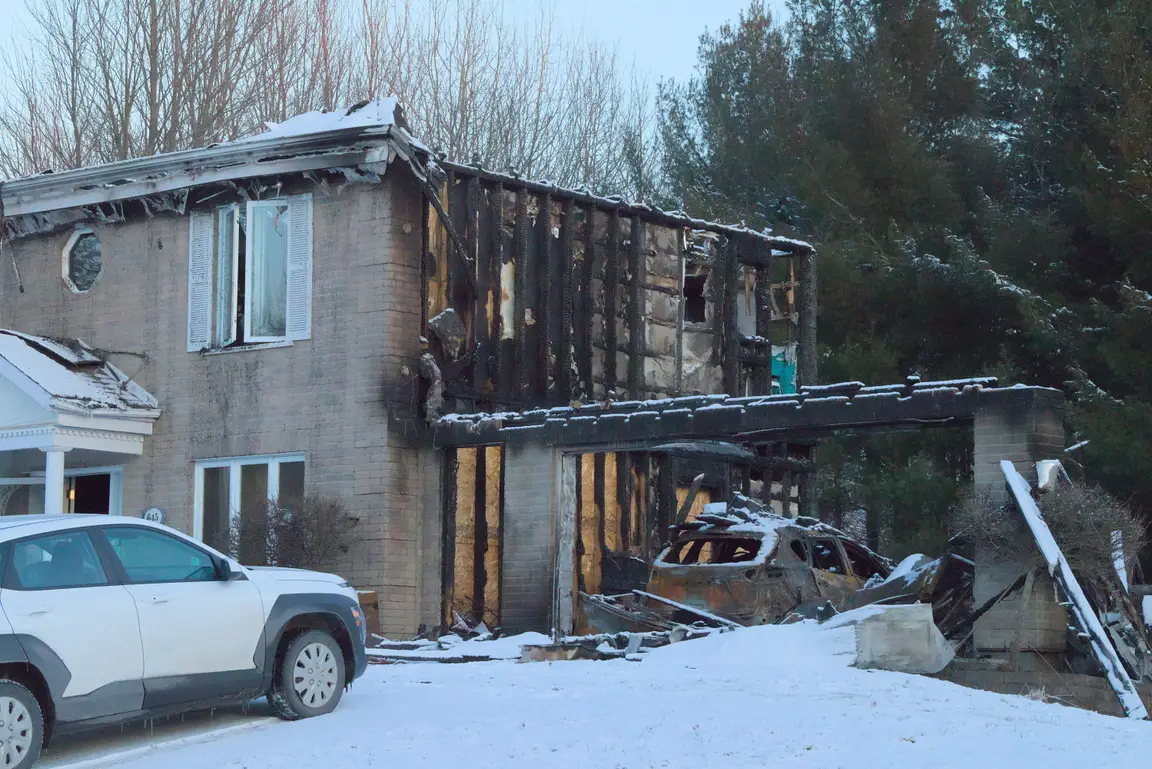

A house fire changes the math on everything, including how you sell the property afterward. The instinct many homeowners have is to repair the fire damage first so the house shows well and appraises normally, but that instinct is usually the most expensive path available. This guide covers why fire damage repairs cost more than most homeowners expect, what selling a fire damaged house as-is actually looks like, and how to get a fair cash offer without spending another dollar rebuilding a house you are trying to leave behind.
Why Homeowners Rush to Repair Fire Damage First
The default assumption is that a house needs to look presentable before it can be sold, and after a fire, that means contractors, permits, and months of rebuilding before a single showing happens. It feels like the responsible move, and in a lot of cases it is what a real estate agent will recommend.
The problem is timing and cost. Fire restoration is not a weekend project. Structural repairs, electrical rewiring, drywall, flooring, and smoke remediation can take months to complete, and the homeowner is usually paying for materials and labor out of pocket while waiting on an insurance settlement that may not cover everything. Meanwhile the house sits unsellable and uninsured for daily living, racking up costs the whole time.
What a Traditional Buyer’s Lender Actually Requires
Selling with fire damage through the traditional market runs into the same wall that stops most damaged-property sales: financing. A buyer using a conventional or FHA loan needs the home to pass an appraisal and, in many cases, an inspection tied to the lender’s minimum property standards.
A house with visible fire damage, compromised framing, or a roof that was affected will typically fail that standard outright. Even fire damage that has already been repaired can raise questions if the work was not permitted or documented properly, since appraisers and inspectors are trained to look for exactly that kind of red flag. The result is the same conversation homeowners with any major damage run into: fix it before closing, or the deal does not happen.
The Real Cost of Fire Damage Repairs
Fire damage repair costs add up fast, and they add up in places homeowners do not always expect. Obvious costs include rebuilding burned framing, replacing drywall and flooring, and repainting affected rooms. Less obvious costs include smoke odor removal throughout the entire house, not just the room where the fire started, replacing HVAC ductwork that circulated smoke through the whole system, and addressing water damage left behind by the firefighting effort itself, which is often as extensive as the fire damage.
Add in permit fees, contractor scheduling delays, and the possibility that an inspector finds additional problems once walls are opened up, and a repair estimate that started at a manageable number can grow well beyond what most homeowners are willing or able to spend on a house they no longer want to live in.
What Selling As-Is Really Means for a Fire Damaged House
Selling a fire damaged house as-is means the buyer purchases the property in its current condition, fire damage included, without requiring any repairs before closing. A direct cash buyer evaluates the house as it actually stands, factors in what it would cost to restore, and makes an offer that reflects that condition rather than what the house would be worth fully repaired.
This removes the entire repair process from your plate. There is no need to hire contractors, pull permits, coordinate inspections, or manage a renovation timeline. You are not expected to clean up smoke damage, replace burned materials, or even remove debris before the sale closes. The house sells the way it sits, and the number you agree to is based on that reality rather than an idealized, repaired version of the home.
How Insurance Claims Fit Into a Fire Damaged Sale
Most homeowners selling after a fire are also working through a homeowner’s insurance claim at the same time, and the two processes can run alongside each other rather than blocking one another. Selling the house as-is does not require your insurance claim to be fully settled first in most cases, though the specifics depend on your policy and whether the mortgage lender has an interest in the claim proceeds.
A direct cash sale can move forward while your claim is still being processed, which means you are not stuck waiting on an insurer’s timeline before you can move on from the property. Any insurance proceeds you receive are yours regardless of who buys the house or in what condition it sells, so selling as-is does not mean forfeiting money you are owed for the damage.
Smoke and Water Damage: The Damage You Cannot See
Fire gets the attention, but smoke and water damage frequently cause more overall harm to a house than the flames themselves. Smoke residue works its way into insulation, subflooring, and HVAC systems throughout the property, often reaching rooms nowhere near the original fire. That residue carries an odor that is notoriously difficult and expensive to fully eliminate, and it is one of the top reasons traditional buyers walk away even after visible repairs are complete.
Water damage from firefighting efforts adds a second layer of trouble, since large volumes of water used to extinguish a fire can soak framing, drywall, and flooring throughout the structure, creating conditions for mold if the house is not dried out quickly and thoroughly. A buyer who understands fire-damaged properties accounts for both of these hidden issues in their offer, rather than expecting the seller to chase down every trace of smoke and moisture before a sale can happen.
What Determines a Fair Cash Offer on a Fire Damaged Home
A legitimate offer on a fire damaged house starts with what comparable homes in your area have sold for, then subtracts a realistic estimate of what it would cost to bring the property back to market condition. That includes structural repairs, smoke and odor remediation, water damage mitigation, and any code or permit issues the fire may have exposed.
A buyer who quotes a number before ever seeing the house, or who cannot explain how they arrived at their offer, is worth being cautious about. A serious cash buyer will walk the property, account for the actual scope of the fire, smoke, and water damage, and put the offer in writing with no pressure attached. Since getting that offer costs nothing, it is worth requesting one even if you are still weighing whether to repair the house yourself.
How Neighbor Joe Buys Houses With Fire Damage
If selling as-is sounds like the right fit for your situation, the process is straightforward from start to finish.
- Reach out and share the details. A quick call or online form covers the property, the extent of the fire damage, and where things stand with your insurance claim, with no obligation attached.
- Get your written offer. After a walkthrough of the property, you receive a no-obligation cash offer within 24 hours that reflects the home’s actual condition, fire damage included.
- Choose your closing date and get paid. Once you accept, you set the timeline that works for you, and a closing attorney handles the paperwork so you receive full payment with no fees or repair costs deducted.
A house fire is disruptive enough without adding months of repairs and out-of-pocket costs on top of it. Selling the property as-is lets you close that chapter and move forward without spending another dollar rebuilding a house you are ready to leave behind.