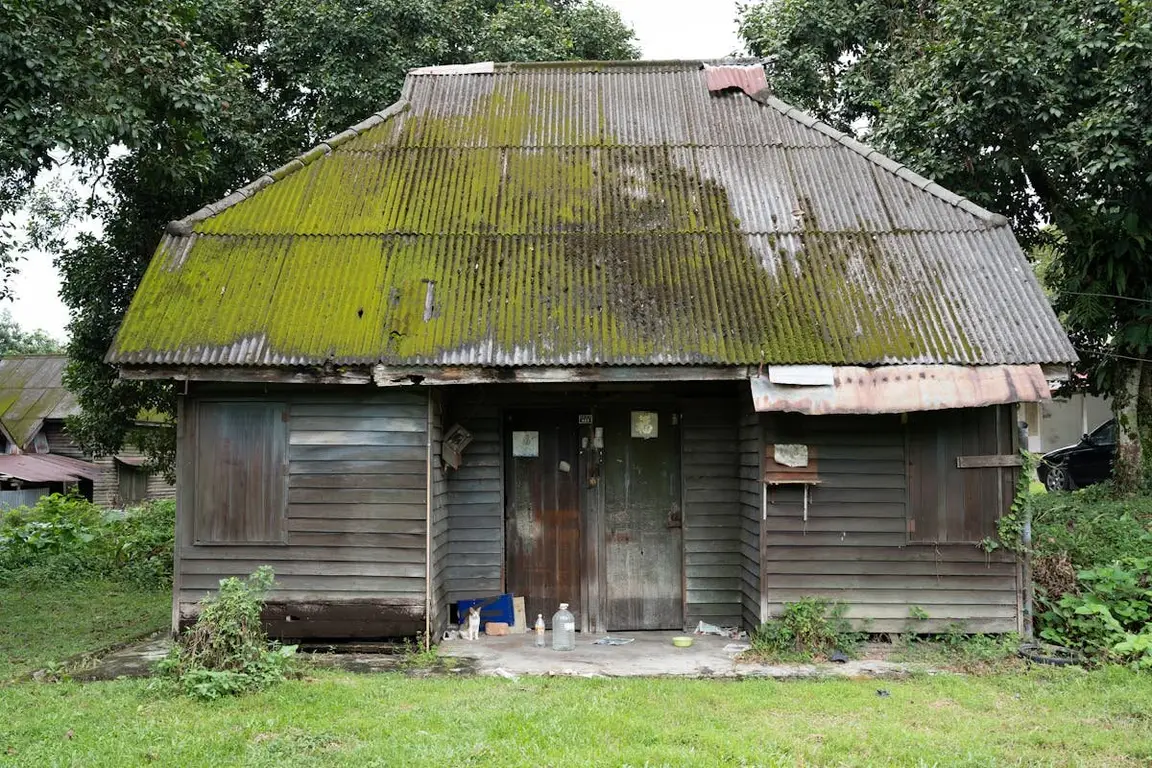

Foundation problems sit in a category of their own. A dated kitchen is a style choice. An old roof is a known cost. But a crack running through the foundation raises a question buyers cannot easily answer: how bad is it, really? That uncertainty is what makes selling a home with foundation problems feel impossible, because buyers fear what they cannot measure, and lenders fear it even more.
Here is the reassuring truth up front: homes with foundation problems sell every day, including homes with serious structural damage. The sale just works differently, and homeowners who understand how it works keep more money and lose less time than those who guess. This guide covers what foundation issues do to a traditional sale, the three realistic paths available, what each one costs, and how buyers actually price the damage.
First, Understand What You Are Looking At
Not every crack is a crisis. Hairline vertical cracks in poured concrete are often ordinary settling and shrinkage. The signs that point to a real structural issue are different: horizontal cracks, stair-step cracks in block walls, walls that bow or lean inward, doors and windows through the house that stick or no longer square, sloping floors, gaps between walls and ceilings, and water that keeps finding its way in through the same paths.
Connecticut adds a wrinkle of its own. In parts of north-central and eastern Connecticut, foundations poured with concrete containing the mineral pyrrhotite can develop the distinctive map-like cracking of a crumbling foundation, a condition that worsens over time and that buyers and lenders in affected towns specifically watch for. If your home sits in one of those areas and shows that pattern, it belongs in your disclosure and in any conversation with a buyer.
Whatever you are seeing, resist the urge to either panic or minimize. The path forward depends on facts, and the good news is that finding them does not have to cost you anything.
Why Foundation Problems Break a Traditional Sale
Lenders Walk Away First
The biggest obstacle in selling a home with foundation problems is not the buyer. It is the buyer’s bank. Mortgage lenders require the home to secure the loan, and a lender who sees structural damage in an appraisal or inspection report may refuse to fund the purchase until the problem is professionally repaired. That means even a buyer who loves the house and accepts the crack cannot always buy it. The sale dies at the lender’s desk, weeks in, through no fault of anyone at the table.
Buyers Price Fear, Not Estimates
When financed buyers do stay in the deal, they negotiate from fear. A repair a contractor would quote at fifteen thousand dollars becomes a forty thousand dollar price reduction demand, because the buyer is pricing the worst case plus their own anxiety. Inspection reports amplify this. The phrase “recommend evaluation by a structural engineer” lands like a siren, and every subsequent negotiation happens in its shadow.
You Must Disclose, and You Should
Connecticut sellers complete a property condition disclosure, and known foundation issues belong on it. Hiding structural problems is the one move that can genuinely follow you after closing. Disclosure feels like it weakens your position, but with the right buyer it does the opposite: a problem stated plainly and priced in cannot be used against you later, and it filters out the buyers who were going to collapse the deal anyway.
Your Three Realistic Options
Repair First, Then List
Fixing the foundation before selling removes the obstacle entirely and opens the full market of financed buyers. The catch is everything else. Structural repairs commonly run from several thousand dollars for minor stabilization to six figures for a full foundation replacement, the work takes weeks or months, and you fund all of it before a buyer exists. The repair also rarely returns its full cost at resale. Like a new roof, a repaired foundation mostly removes an objection rather than raising the price. This path makes sense when the repair is modest, you have the cash, and the home’s value justifies the investment.
List It As Is and Hope for the Right Buyer
You can put the home on the market with the problem disclosed and priced in. Some sellers get lucky. Most discover the hard math: the pool of buyers who can purchase a structurally compromised home with a mortgage is small, the listing accumulates days on market, price cuts follow, and the eventual buyer negotiates like they are doing you a favor. Meanwhile you carry the mortgage, taxes, and insurance for every month the listing sits. Selling a house as is with foundation problems on the open market is possible, but it is usually the slowest version of the discount you were trying to avoid.
Sell Directly to a Cash Buyer
Cash buyers for homes with foundation issues exist precisely because lenders will not touch these properties. With no bank in the transaction, the structural condition stops being a dealbreaker and becomes a line item. The buyer evaluates the damage, prices the repair at contractor rates rather than fear rates, subtracts it from the home’s repaired value along with their own costs, and puts a firm number in writing. No repairs, no showings, no financing that can collapse, and a closing in days rather than months. The trade is a price below theoretical retail, exchanged for certainty and speed.
The Math Sellers Should Run Before Deciding
The instinct when selling a home with foundation problems is to compare the cash offer against what the house would be worth fixed. That comparison flatters the repair path because it ignores what the repair path costs. Run it honestly instead.
Take the repaired market value, then subtract the actual repair quote, the months of carrying costs while the work and the listing run, the commission, the seller closing costs, Connecticut’s state and municipal conveyance taxes, and the concessions a financed buyer will still negotiate. What remains is your realistic net from repairing first. Put that beside the cash offer, remember that the cash number arrives months sooner with zero risk of the deal failing, and the decision usually gets much clearer. Sometimes the repair path still wins, particularly for high-value homes with modest damage. For serious structural problems, it rarely does.
How a Direct Sale Works When the Foundation Is the Problem
The process for selling a home with foundation problems to a direct buyer is deliberately short, and the damage does not slow it down.
- Share the basics. A quick call or form covers the address, the property, and what you know about the foundation. You do not need an engineer’s report, a contractor quote, or any repairs. Honest description is enough, and it carries no obligation.
- One walkthrough, one written offer. A local buyer visits once and looks at the foundation along with everything else. Within twenty four hours you have a written cash offer with the math explained, including how the structural work was priced.
- Close on your date. Accept, and a Connecticut attorney handles the closing while title work runs in the background. Seven days is realistic. So is two months if you need the time. The house transfers as it stands, cracks and all, and the problem legally and financially stops being yours.
Mistakes That Cost Foundation-Problem Sellers the Most
A few patterns show up again and again, and all of them are avoidable:
- Waiting. Foundation problems do not improve, and some, like crumbling concrete, actively worsen. Every year of waiting can mean a bigger repair number priced into any future sale.
- Paying for repairs before talking to anyone. Sellers sometimes fund major structural work that a direct buyer would have priced at a fraction of what they spent.
- Hiding the problem. Fresh paint over a stair-step crack does not fool an inspector, an engineer, or an experienced buyer, and it destroys trust for the rest of the negotiation.
- Treating the first lowball as the market. One aggressive offer from one investor is not what your house is worth. Get a number from a buyer who explains their math and expect specifics.
- Comparing offers to the wrong benchmark. Your home fixed is not the alternative on the table. Your realistic net through each actual path is.
What a Fair Offer Looks Like on a Damaged Home
Any legitimate buyer should walk you through three inputs: what comparable homes in your area have recently sold for in repaired condition, what the structural work and any other needed repairs would genuinely cost, and the buyer’s own carrying and transaction costs. Damage changes the size of the subtraction, not the honesty of the math. A buyer who cannot explain the number, quotes a price sight unseen, or pressures you to sign quickly is telling you who they are. A written no-obligation offer costs nothing and gives you a real benchmark, even if you ultimately choose to repair and list.
Honest Expectations
No one pays full retail for a home with a compromised foundation, and anyone who promises otherwise is not being straight with you. What you can get is a fair discount instead of a fear discount, a firm closing date instead of a lender’s maybe, and zero dollars spent on your way out. For many homeowners, especially those facing six-figure repair quotes or homes that have already sat on the market, that trade is not just acceptable. It is the best available outcome, reached months sooner.
Ready to Stop Worrying About the Crack?
Selling a home with foundation problems comes down to one honest comparison: what each path really nets you, and when. You now have the framework to run it.
Neighbor Joe buys Connecticut homes with foundation problems of every kind, from settling cracks to serious structural damage, pays cash, covers the closing costs, and closes on your date. Reach out for a free, no obligation offer within twenty four hours, and find out what selling a home with foundation problems looks like when the foundation is the buyer’s problem instead of yours.