

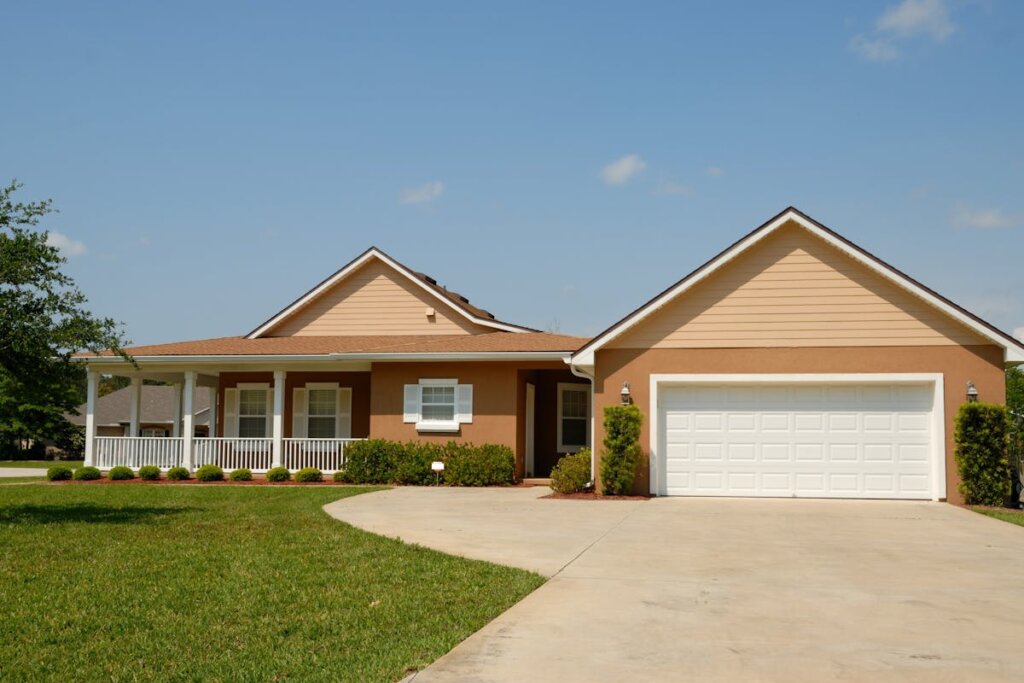
If you are thinking about selling your property, one of the biggest decisions you will face is whether to sell your home as-is in CT or invest time and money into repairs before listing. Many Connecticut homeowners struggle with this choice because they want to walk away with the highest possible profit. At the same time, they do not want to pour thousands of dollars into renovations that may not pay off.
The truth is that the right decision depends on your property, your financial situation, your timeline, and the current market conditions. In some cases, fixing up a home can increase the final sale price. In other situations, choosing to sell your home as-is in CT can actually put more money in your pocket when you consider the total costs involved.
Understanding the real numbers behind both options is the key to making a smart financial decision.
What It Means to Sell Home As-Is in CT
When you decide to sell your home as-is in CT, you are selling the property in its current condition without making repairs or improvements. You are telling buyers upfront that what they see is what they get. While you still must legally disclose known defects, you are not committing to fixing them before closing.
For many homeowners, choosing to sell their home as-is in CT eliminates the stress of contractors, inspections, and renovation delays. It also removes the uncertainty of whether upgrades will deliver a strong return on investment.
Selling as-is often appeals to cash buyers, investors, or companies that specialize in buying homes directly. These buyers understand they are purchasing a property that may need work. In exchange for convenience and speed, they typically factor repair costs into their offer.
The question becomes whether the discounted price outweighs the savings you gain by avoiding repairs, agent commissions, holding costs, and months on the market.
The Real Cost of Fixing Up a Home Before Selling
Many homeowners assume that making repairs automatically leads to a higher profit. While it is true that updated homes can attract more buyers, the costs involved are often underestimated.
Kitchen renovations, bathroom upgrades, roof replacements, flooring updates, and exterior improvements can quickly add up. Even smaller cosmetic projects, such as painting, landscaping, and minor repairs, require both time and money.
Beyond renovation costs, there are indirect expenses to consider. If you choose to fix up your home, you will likely continue paying your mortgage, property taxes, utilities, and insurance while the work is completed and the home is listed. These holding costs reduce your overall profit.
There is also no guarantee that buyers will pay enough extra to cover your investment. In some cases, over-improving a property in a specific neighborhood can result in diminishing returns. This is why many sellers seriously consider whether it makes more financial sense to sell the home as-is in CT rather than gamble on upgrades.
Market Conditions in Connecticut Matter
The local real estate market plays a major role in determining whether you should sell your home as-is in CT or renovate first. In a strong seller’s market with low inventory and high demand, buyers may be more willing to overlook cosmetic issues. This environment can make selling as-is more profitable than you might expect.
On the other hand, in a slower market where buyers have more options, updated homes may stand out more and command higher offers. Even then, it is important to calculate the difference between your renovation investment and your projected increase in sale price.
Connecticut also has relatively high property taxes compared to many other states. If repairs take several months, those ongoing costs can significantly impact your bottom line. Choosing to sell your home as-is in CT can help you avoid these extended holding expenses and move on faster.
Understanding your local town’s market conditions is critical before making a final decision.
How Repairs Can Affect Your Timeline
Time is money when it comes to real estate. If you decide not to sell your home as-is in CT and instead complete renovations, you must factor in the timeline required for planning, hiring contractors, securing materials, and completing the work.
Delays are common in home improvement projects. Contractor schedules, permit approvals, and supply chain issues can push your timeline back weeks or even months. During that time, you are still responsible for monthly expenses.
After renovations are complete, you still need to list the property, host showings, negotiate offers, and wait for financing approvals. The traditional sales process can take additional months before closing.
In contrast, homeowners who sell their home as-is in CT directly to a cash buyer often close in a matter of days or weeks. This shorter timeline can reduce stress and eliminate the risk of deals falling through due to financing or inspection issues.
If speed and certainty are important to you, selling as-is may offer significant financial advantages.
Inspection Negotiations and Hidden Surprises
Even if you invest in repairs before listing, buyers will typically conduct a professional home inspection. Inspectors may uncover additional issues that were not obvious during renovations. These findings can lead to further negotiations, repair requests, or price reductions.
Many sellers are surprised to learn that buyers often ask for credits or additional work even after improvements have been made. This can erode the profit margin you hoped to gain by not choosing a cash home offer in CT.
When you sell a home as-is in CT directly to a buyer who understands the condition, you reduce the likelihood of last-minute surprises. The offer you accept is often the amount you receive, without repeated rounds of negotiation.
Reducing uncertainty can be just as valuable as increasing the final sale price.
Financial Scenarios: Which Makes More Money?
To determine whether it makes more money to sell a home as-is in CT or fix it up, you need to look at the full financial picture.
Start by estimating the cost of all repairs and improvements. Include materials, labor, permits, and unexpected overruns. Then calculate your holding costs for the estimated timeline of renovations and listing.
Next, determine the potential sale price after improvements. Subtract real estate agent commissions, closing costs, staging expenses, and concessions to buyers.
Now compare that number to an as-is offer. When you sell a home as-is in CT, you often avoid agent commissions, staging fees, repair costs, and extended holding expenses. While the purchase price may be lower, your net proceeds could be similar or even higher.
Many homeowners discover that once all costs are considered, the difference between the two options is smaller than expected. In some cases, selling as-is results in more money in hand and far less stress.
Emotional and Lifestyle Factors
Money is important, but your personal situation matters just as much. If you are facing foreclosure, relocating for a job, handling an inherited property, or going through a divorce, the simplicity of choosing to sell your home as-is in CT can outweigh the potential gains of renovating.
Home improvement projects can be physically and emotionally draining. Managing contractors, making design decisions, and living in a construction zone is not easy. If your goal is to move on quickly and reduce stress, selling as-is can provide peace of mind.
On the other hand, if your home only needs minor cosmetic updates and you have the time and budget to handle them comfortably, improvements may increase buyer appeal.
The best decision balances financial return with your personal priorities.
Final Thoughts: Making the Smart Choice for Your Situation
Deciding whether to sell a home as-is in CT or invest in repairs is not a one-size-fits-all answer. It requires an honest evaluation of your property’s condition, your financial resources, local market trends, and your timeline.
While renovations can increase a home’s value, they also introduce risk, delays, and additional expenses. Selling as-is offers speed, simplicity, and certainty. In many cases, when you factor in repair costs, commissions, holding expenses, and negotiation risks, choosing to sell a home as-is in CT can result in comparable or even greater net profit.
Before making your final decision, run the numbers carefully and consider what matters most to you in a fast cash home offer. Whether you prioritize maximum sale price, fast closing, or minimal stress, understanding the full financial impact will help you make the right move.