

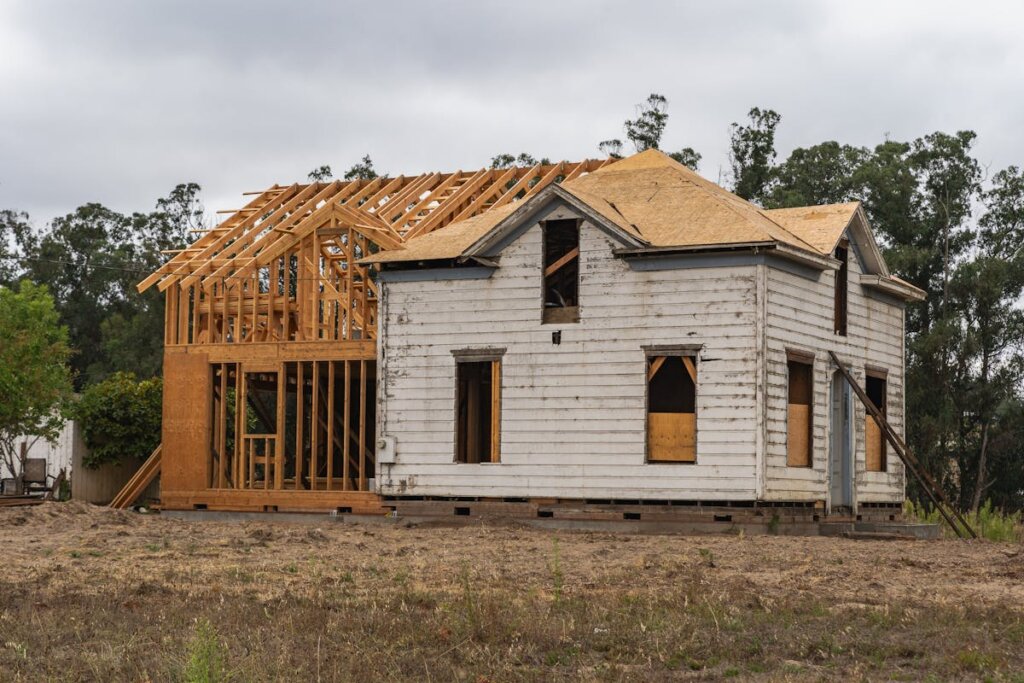
Selling an unfinished house in CT can feel like a complicated and uncertain process. Whether construction was paused due to financial issues, unexpected life changes, or contractor delays, many homeowners find themselves stuck with a property that is not move-in ready. The good news is that you still have options, but it is important to understand both the benefits and drawbacks before making a decision.
An unfinished home can mean different things. It could be a property mid-renovation, a new build that was never completed, or a house with major structural or cosmetic work left undone. Regardless of the situation, selling an unfinished house in CT requires a different approach compared to a fully completed home.
Why Homeowners End Up Selling an Unfinished House in CT
There are several common reasons why homeowners decide to move forward with selling an unfinished house in CT. Financial strain is one of the biggest factors. Construction costs can quickly spiral out of control, leaving homeowners unable to complete the project.
In other cases, life circumstances change unexpectedly. Job relocations, divorce, inheritance, or health issues can all make it difficult to continue working on a property. When priorities shift, holding onto an unfinished home may no longer make sense.
Sometimes the issue comes down to the condition of the home itself. Older properties that require extensive updates can become overwhelming. As noted, major repairs like plumbing or structural issues can significantly impact a home’s value and make traditional selling more difficult.
The Pros of Selling an Unfinished House in CT
One of the biggest advantages of selling an unfinished house in CT is avoiding additional investment. Completing construction or renovations can cost tens of thousands of dollars, and there is no guarantee you will recover those costs in the final sale price. By selling the property as-is, you can walk away without putting more money into the project.
Another benefit is saving time. Finishing a home can take months or even years, depending on the scope of work. If you are looking to move on quickly, selling in its current condition allows you to skip the long construction timeline.
There is also reduced stress. Managing contractors, permits, inspections, and unexpected issues can be exhausting. Selling an unfinished house in CT removes that burden and allows you to focus on your next step.
Additionally, there is a growing market of buyers who specifically look for unfinished properties. Investors and cash buyers often seek out these opportunities because they can complete the work themselves and add value. This means there is still demand, even if the property is not in perfect condition.
The Cons of Selling an Unfinished House in CT
While there are clear advantages, selling an unfinished house in CT also comes with some downsides. The most notable is the potential for a lower sale price. Buyers will factor in the cost of completing the home, along with the risks involved, which can lead to reduced offers.
Another challenge is a smaller pool of buyers. Traditional homebuyers are usually looking for move-in-ready properties. An unfinished house may not qualify for certain types of financing, which limits your audience to cash buyers or investors.
Inspections and appraisals can also become more complicated. Lenders often require homes to meet specific standards before approving a mortgage. If your property does not meet those standards, it can create delays or cause deals to fall through. As explained, inspections and appraisals play a major role in traditional sales and can introduce unexpected obstacles.
There is also the perception factor. Some buyers may assume the worst when they see an unfinished property, even if the issues are manageable. This can make it harder to generate strong interest and competitive offers.
Challenges of Listing an Incomplete Property on the Market
If you decide to list your property with a real estate agent, you may face several hurdles. Marketing an unfinished home can be difficult because it lacks the visual appeal of a completed property. Staging and professional photography may not have the same impact when rooms are incomplete or under construction.
Showings can also be challenging. Potential buyers may struggle to envision the finished product, which can affect their willingness to make an offer. This often leads to longer time on the market and increased uncertainty.
Pricing is another major concern. Determining the right price for an unfinished house requires careful evaluation of the current condition and the cost to complete the project. Overpricing can scare away buyers, while underpricing may result in lost equity.
The Best Way to Approach Selling an Unfinished House in CT
For many homeowners, the most effective strategy for selling an unfinished house in CT is to consider a direct sale to a cash buyer. This approach simplifies the process and eliminates many of the challenges associated with traditional listings.
Cash buyers are typically more flexible and experienced in handling properties that need work. They understand the risks and are prepared to take on unfinished projects. This means you do not have to worry about meeting strict lending requirements or completing repairs before selling.
The process is usually straightforward. You provide information about your property, receive an offer, and choose a closing date that works for you. Because there is no financing involved, the sale can move quickly and with fewer complications.
Financial Considerations When Selling As-Is
When selling an unfinished house in CT, it is important to consider the financial trade-offs. While you may receive a lower offer compared to a fully renovated home, you also avoid the costs associated with completing the project.
These savings can include construction expenses, permit fees, labor costs, and holding costs such as property taxes and utilities. In many cases, the net outcome of selling as-is can be comparable or even more favorable than finishing the home and selling later.
Additionally, traditional sales often come with agent commissions and closing costs. These expenses can add up quickly and reduce your overall profit. Selling directly can help you avoid many of these fees and keep more of the proceeds.
When It Makes Sense to Sell Instead of Finish
Deciding whether to finish your home or sell it as-is depends on your specific situation. If you have the time, resources, and expertise to complete the project, finishing the home may increase its market value.
However, if you are facing financial pressure, time constraints, or uncertainty about the outcome, selling an unfinished house in CT may be the better choice. Acting sooner rather than later can help you avoid additional costs and reduce stress.
For homeowners dealing with urgent situations, such as financial hardship, selling quickly can provide relief and a fresh start. highlights how taking action early can prevent more serious financial consequences and give you more control over your situation.
Final Thoughts on Selling an Unfinished House in CT
Selling an unfinished house in CT is not always easy, but it can be the right decision depending on your circumstances. By understanding the pros and cons, you can make an informed choice that aligns with your goals.
While traditional sales may offer higher potential returns, they often come with added complexity and risk. For many homeowners, the simplicity and speed of selling as-is provide a more practical solution.
Ultimately, the best approach is the one that fits your needs. Whether you choose to finish the home or sell it in its current condition, having a clear plan will help you move forward with confidence and peace of mind.