

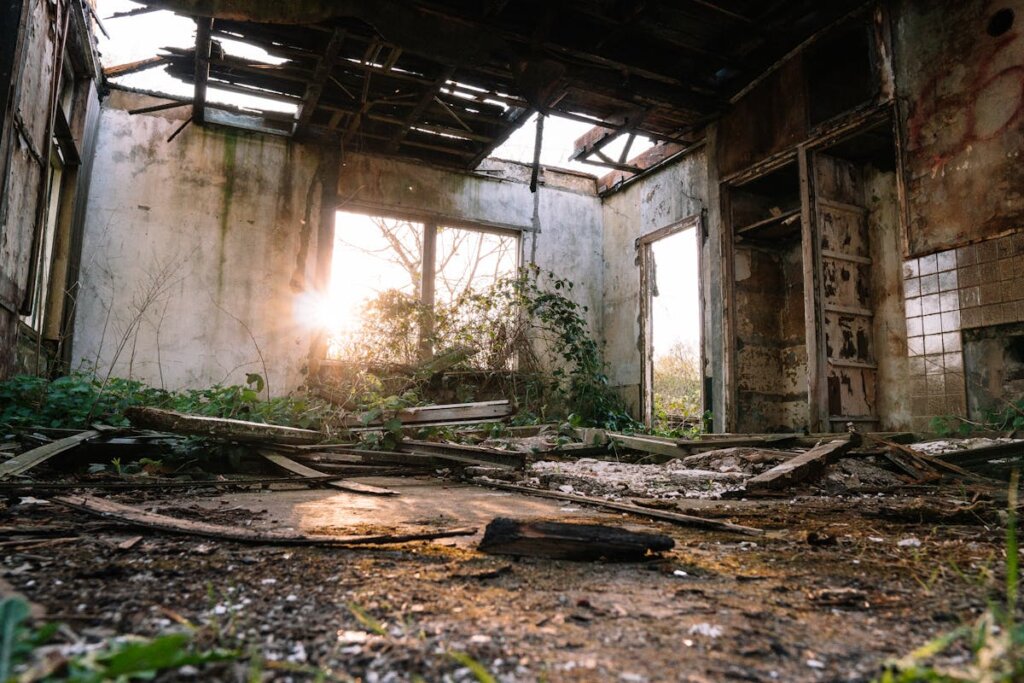
Owning a property that has been condemned can be overwhelming and stressful, especially when you are unsure what steps to take next. A condemned building in CT is often the result of serious structural issues, safety hazards, or code violations that make the property unsafe for occupancy.
Once a property reaches this status, homeowners may feel trapped by mounting costs, legal pressure, and the fear of losing the property altogether.
While the situation is serious, homeowners with a condemned building in CT still have options. Understanding what condemnation means, how it affects ownership, and what paths are available can help you regain control and move forward with confidence. Whether your goal is to fix the property, sell it, or simply walk away from the burden, some solutions can fit your circumstances.
What It Means to Have a Condemned Building in CT
A condemned building in CT is a property that local authorities have declared unfit for use due to safety or health concerns. This decision is typically made after inspections reveal major violations such as severe structural damage, fire hazards, mold infestations, or failing utilities. Once condemned, the building may be restricted from occupancy until the issues are resolved.
Condemnation does not automatically mean you lose ownership of the property. However, it does place significant limitations on how the property can be used. Homeowners are often required to address the violations within a specific timeframe or face fines and additional legal action. This pressure can quickly become overwhelming, especially if repairs are extensive and costly.
The Financial Burden of a Condemned Property
One of the biggest challenges of owning a condemned building in CT is the financial strain it creates. Even though the property cannot be lived in or rented, expenses do not stop. Property taxes, insurance obligations, and municipal fines may continue to accumulate. In some cases, cities may charge daily penalties if the violations are not corrected promptly.
Repairing a condemned property can also be extremely expensive. Structural repairs, electrical replacements, plumbing overhauls, and environmental remediation can add up quickly. For many homeowners, these costs are simply not realistic, especially if the property was already in poor condition or inherited unexpectedly.
Attempting to Repair and Lift the Condemnation
One option for homeowners with a condemned building in CT is to repair the property and work toward lifting the condemnation order. This process typically involves hiring licensed contractors, pulling permits, and passing multiple inspections. Once all violations are corrected, the local building department may remove the condemnation status.
While this option can restore the property’s value, it requires significant time, money, and coordination. Delays are common, and unexpected issues often arise once repairs begin. For homeowners with limited financial resources or those who do not want to manage a large renovation project, this option may not be practical.
Leaving the Property Vacant and the Risks Involved
Some homeowners choose to leave a condemned building in CT vacant while they consider their next steps. While this may seem like a temporary solution, it often creates additional problems. Vacant properties are more vulnerable to vandalism, theft, and further deterioration. Over time, the condition of the building can worsen, making future repairs even more expensive.
Municipalities may also take action against long-term vacant condemned properties. This can include higher fines, court involvement, or even forced demolition if the building is deemed a public hazard. Allowing the situation to linger rarely improves the outcome and often reduces available options.
Selling a Condemned Building in CT
Many homeowners are surprised to learn that they can still sell a condemned building in CT. While traditional buyers may be hesitant, some buyers specialize in purchasing distressed properties. Selling the property allows you to avoid repair costs, ongoing fines, and long-term liability.
A traditional sale through a real estate agent can be difficult with a condemned property. Financing is usually not an option for buyers, and inspections will likely highlight numerous issues. These obstacles often cause deals to fall apart or lead to extended time on the market.
Why Cash Buyers Are a Practical Option
Cash buyers are often the most realistic solution for homeowners with a condemned building in CT. Because cash buyers do not rely on bank financing, they are able to purchase properties in poor condition, including those that are condemned. They understand the risks and costs involved and factor them into their offer.
Selling to a cash buyer allows you to sell the property as is. This means no repairs, no inspections required by lenders, and no long waiting periods. The process is typically much faster and more straightforward than a traditional sale, which is especially important when dealing with mounting fines or legal deadlines.
Legal and Timeline Advantages of Selling Quickly
When you own a condemned building in CT, time is rarely on your side. Municipal deadlines, court notices, and code enforcement actions can escalate quickly. Selling the property sooner rather than later can help you avoid additional penalties and legal complications.
A fast sale to a cash buyer can often be completed in weeks rather than months. This speed allows you to resolve the situation before it worsens. In many cases, selling early helps preserve more value and reduces the emotional stress associated with prolonged uncertainty.
Emotional Relief for Overwhelmed Homeowners
Beyond the financial and legal challenges, owning a condemned building in CT can take an emotional toll. The constant pressure from city officials, the fear of unexpected costs, and the sense of being stuck can be exhausting. Many homeowners feel relief simply knowing there is a way out.
Selling the property can provide closure and allow you to move forward without the weight of a condemned building hanging over you. For homeowners who inherited a property or experienced sudden financial hardship, this relief can be just as important as the financial outcome.
Choosing the Best Path Forward
Every situation involving a condemned building in CT is unique. Some homeowners may have the resources and desire to repair the property, while others may prefer a clean break through a sale. The key is understanding your options and choosing the path that aligns with your financial reality and long-term goals.
By exploring solutions early and acting decisively, you can avoid unnecessary stress and protect yourself from further losses. Whether you decide to repair, sell, or consult professionals for guidance, taking action is always better than waiting.
Moving On From a Condemned Property
Owning a condemned building in CT does not have to define your future. While the situation may feel overwhelming at first, there are practical solutions available. Selling the property, especially to a cash buyer, is often the most efficient way to resolve the issue and move on with your life.
Understanding your rights, the risks of inaction, and the benefits of a fast sale can help you make a confident decision. With the right approach, you can turn a difficult situation into an opportunity to start fresh without the burden of a condemned property.