

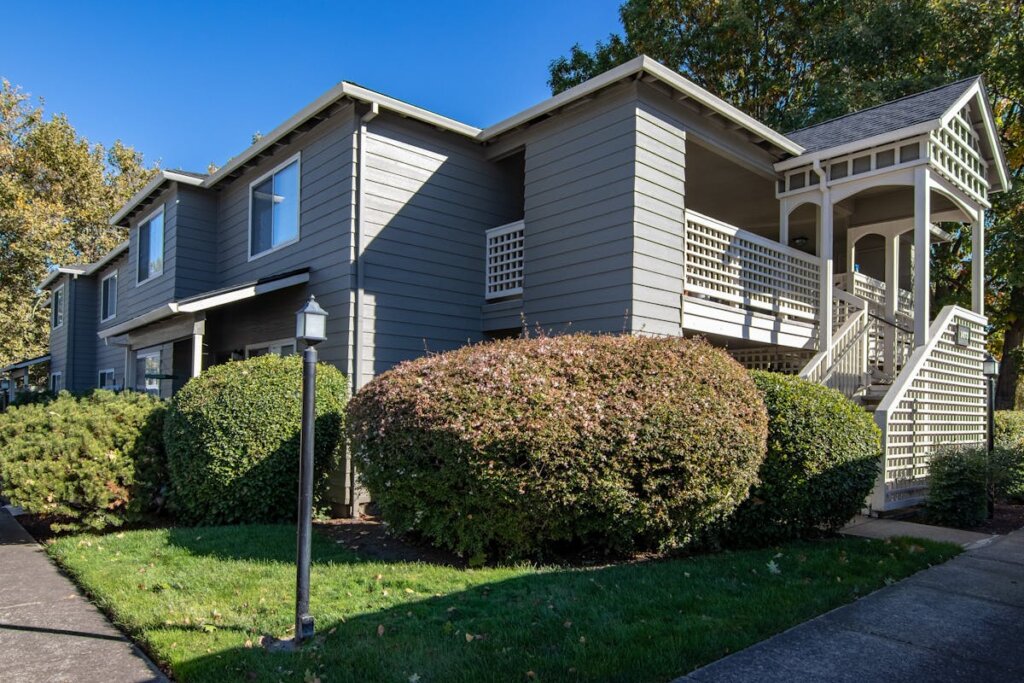
Finding out that your landlord is selling in CT can feel overwhelming. As a tenant, your home is more than just a rental property. It is where you live, work, and build your daily life. When you hear that the property is going on the market, you may immediately worry about eviction, rent increases, or having to move out on short notice.
The good news is that Connecticut law provides protections for tenants. A landlord’s house sale in CT does not automatically mean you have to leave. Your rights largely depend on the type of lease you have and the terms written in your agreement.
Understanding how landlord house selling in CT works can help you protect yourself, plan, and make informed decisions during the transition.
Can a Landlord Sell a Rental Property in Connecticut?
Yes, a landlord can sell their property at any time, even if tenants are currently living there. No law in Connecticut prevents a landlord from selling a house in CT while a lease is active.
However, selling the property does not cancel your lease. This is one of the most important points tenants need to understand. When a landlord house in CT happens, the lease typically transfers to the new owner.
The new owner steps into the shoes of the previous landlord. They inherit the lease terms, including rent amount, security deposit, and lease duration. They cannot simply change the terms or force you out without following proper legal procedures.
What Happens If You Have a Fixed-term lease?
If you signed a lease for a specific period, such as one year, you generally have the right to stay until the lease expires. A landlord’s house sale in CT does not void a fixed-term lease.
For example, if you have six months remaining on your lease and the property sells, the new owner must honor those remaining six months. They cannot demand that you leave early unless you violate the lease agreement.
In some cases, the buyer may want to occupy the property themselves. Even then, they must wait until your lease ends unless you agree to move out voluntarily.
Sometimes, buyers offer tenants financial incentives, often called cash for keys, to move out early. Accepting such an offer is entirely up to you. You are not required to agree unless it benefits your situation.
What If You Are on a month-to-month lease?
Month-to-month tenants have different protections. When a landlord sells a house in CT that involves a month-to-month lease, the new owner can terminate the tenancy with proper notice.
In Connecticut, landlords typically must provide a written notice to quit before starting the eviction process. The exact timing depends on the reason for termination, but month-to-month tenants usually receive notice in advance.
Even in a month-to-month arrangement, you cannot be forced out immediately. Proper legal procedures must be followed. A new owner cannot simply change the locks or remove your belongings.
If the landlord’s house sale in CT affects you as a month-to-month tenant, you should review your lease and consult local housing resources to understand the required notice period.
Your Rights During Showings and Inspections
When the landlord’s house in CT is taken, the property will likely be shown to potential buyers. This can be disruptive to your daily routine.
Connecticut law generally requires landlords to provide reasonable notice before entering a rental unit. Notice is often at least twenty-four hours, unless there is an emergency.
You have the right to quiet enjoyment of your rental home. This means the landlord cannot schedule excessive or unreasonable showings that interfere with your use of the property.
If showings become overwhelming or disruptive, you can communicate your concerns in writing. While a landlord’s house sale in CT gives the owner the right to market the property, it does not eliminate your rights as a tenant.
What Happens to Your Security Deposit?
Security deposits are another common concern during landlord house sales in CT. When ownership transfers, the original landlord must either return your security deposit or transfer it to the new owner.
You should receive written notice stating the name and address of the new owner and confirming who is holding your deposit. The new landlord becomes responsible for returning the deposit when you move out, according to Connecticut law.
Make sure you keep copies of your lease and any documentation regarding your security deposit. Clear records can protect you if disputes arise later.
Can Rent Increase After the Sale?
If you are in the middle of a fixed-term lease, the rent cannot be increased until the lease ends. The new owner must follow the existing agreement.
Once the lease expires, the new landlord may propose a rent increase. However, landlord house selling in CT does not allow for sudden rent hikes in the middle of an active lease without your agreement.
For month-to-month tenants, rent increases can occur with proper notice, but they must follow Connecticut guidelines and cannot be retaliatory or discriminatory.
What If the Property Is Foreclosed?
In some situations, a landlord’s house sale in CT may involve foreclosure. If the property is foreclosed upon, tenant rights may still apply.
Federal and state protections have historically provided tenants with the right to remain in the property for a certain period after foreclosure, particularly if they have a valid lease.
If you learn that the property is in foreclosure, it is important to seek legal advice or contact a local housing organization. Foreclosure adds another layer of complexity to landlord house selling in CT, but it does not automatically eliminate tenant rights.
Can You Be Evicted Just Because the House Is Sold?
A sale alone is not legal grounds for eviction. This is a key point to remember when a landlord’s house is being sold in CT causes anxiety.
Evictions must follow Connecticut’s formal legal process. A landlord or new owner must have a valid reason, such as nonpayment of rent or lease violation. Even then, they must file the appropriate paperwork with the court and provide notice.
Self-help evictions, such as changing locks or shutting off utilities, are illegal. If you experience this behavior during landlord house selling in CT, you may have grounds for legal action.
How to Protect Yourself as a Tenant
When you learn about landlord house selling in CT, take proactive steps. Start by reviewing your lease agreement carefully. Understand the duration, renewal terms, and any clauses related to the property sale.
Keep communication in writing whenever possible. Document notices, showing schedules, and any agreements about early move-out or incentives.
If you feel uncertain about your rights, consider reaching out to a Connecticut legal aid organization or tenant advocacy group. They can help clarify how landlord house selling in CT applies to your specific situation.
Planning can also reduce stress. Even if you have the right to stay, you may decide that relocating on your own timeline works better for your long-term goals.
What If You Want to Buy the Property?
In some cases, tenants become interested in purchasing the home themselves. When a landlord is selling in CT, you can ask whether the owner is open to selling directly to you.
While landlords are not required to offer tenants first refusal unless stated in the lease, some may prefer selling to a current occupant. This can simplify the transaction and reduce vacancy concerns.
If you are financially prepared, exploring this option could turn an uncertain situation into an opportunity.
Final Thoughts on Landlord House Selling in CT
Hearing that your landlord is selling in CT can create uncertainty, but knowledge is power. Connecticut law provides important protections that prevent sudden displacement without due process.
Whether you have a fixed-term lease or a month-to-month agreement, your rights continue even after ownership changes. The new owner must respect existing lease terms and follow proper legal procedures.
By understanding how CT house counter offers work, reviewing your lease, and communicating clearly, you can navigate the transition with confidence. Change can feel stressful, but with the right information, you can protect your home and your future.