

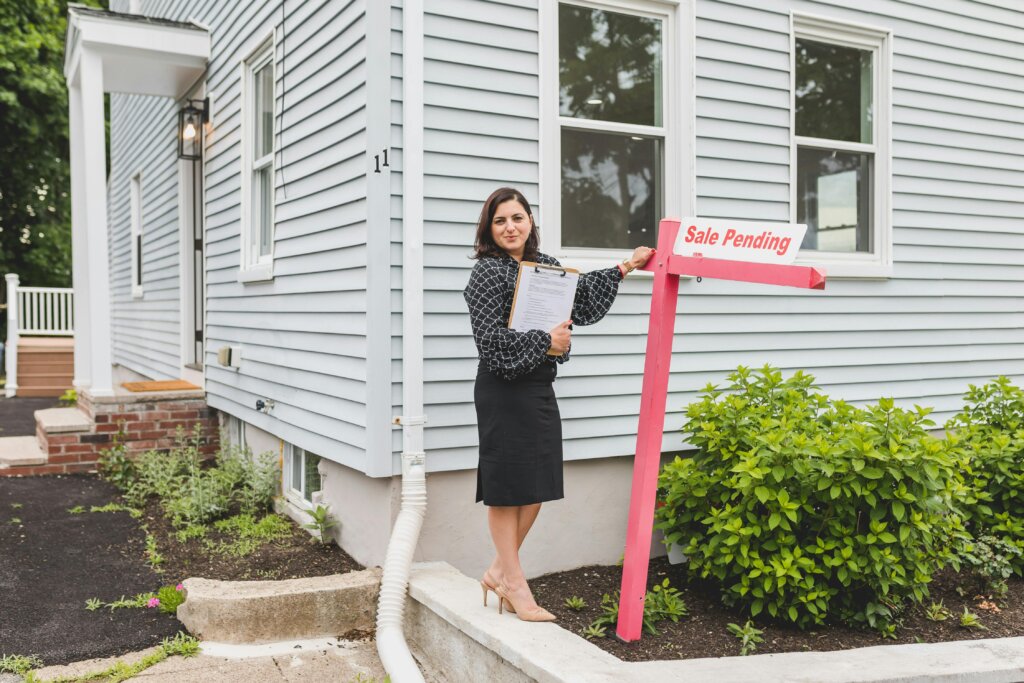
Quick Answer: Selling on your own is possible, but it puts pricing, marketing, showings, and paperwork on your shoulders. For-sale-by-owner homes are only about 5 percent of sales and often sell for less than agent-listed homes. The biggest challenges are pricing accurately, attracting buyers, and handling negotiations and contracts. Mistakes in disclosures or contracts can create legal and financial risk in Connecticut. A cash sale gives you control of selling on your own without the work or the risk.
Selling without an agent sounds appealing, mostly because it promises to save the commission. But is it hard to sell your house on your own? For many homeowners, the answer is that it is more work and more risk than expected. This guide walks through what a for-sale-by-owner sale really involves in Connecticut, the common pitfalls, and a simpler way to keep control of your sale.
What Selling on Your Own Actually Involves
When you sell your house on your own, often called for sale by owner or FSBO, you take on every job an agent would normally handle. That includes setting the price, preparing and marketing the home, scheduling and hosting showings, fielding and negotiating offers, managing inspections, and getting the contract and disclosures right through closing.
None of these tasks is impossible, but together they take real time, skill, and patience. So when people ask if it is hard to sell your house on your own, the honest answer is that it can be, especially if you have never done it before.
The Numbers Behind FSBO
Selling on your own is far less common than most people think. For sale by owner transactions make up only about 5 percent of home sales, while around 9 in 10 sellers use an agent. The price gap is significant, too. FSBO homes have recently sold at a median well below agent-assisted sales, and a majority of FSBO sellers admit they did not get the price they wanted.
Part of the reason is reach. Agents list on the MLS and tap a wide buyer network, while a solo seller has to work harder to get the same exposure. Another part is negotiation, where experience tends to translate into a better outcome.
The Hardest Parts of Selling on Your Own
Pricing Accurately
Set the price too high and your home sits. Set it too low, and you leave money on the table. Without access to detailed comparable sales and market experience, pricing is one of the toughest parts of going it alone.
Marketing and Showings
Great photos, compelling listings, and broad exposure drive buyer traffic. On your own, you handle the photography, the listing copy, the syndication, and every showing request, often around your work schedule.
Paperwork and Legal Risk
Connecticut requires a property condition disclosure, and contracts must be handled correctly. Errors in disclosures or the sales agreement can lead to deals falling apart or even legal trouble after closing. This is where many FSBO sellers feel out of their depth.
FSBO vs Cash Sale: What to Expect
| Task | Sell On Your Own (FSBO) | Cash Sale to Neighbor Joe |
|---|---|---|
| Pricing | You research and set it | Fair offer provided to you |
| Marketing | You handle photos and listings | Not needed |
| Showings | You host them all | None |
| Repairs | Often expected by buyers | None, sold as is |
| Paperwork | Your responsibility | Handled for you |
| Time to close | Weeks to months | As little as 7 days |
When Selling on Your Own Makes Sense
FSBO can work if you have a ready buyer, plenty of time, comfort with contracts, and a home that shows well. Some sellers enjoy the process and the control. If that describes you, going it alone may be worth the effort.
For everyone else, the time, stress, and risk often outweigh the commission savings, especially once a lower final price is factored in.
The Hidden Costs of Selling on Your Own
Saving the commission is the headline reason people go FSBO, but the savings are smaller than they look once the hidden costs add up. You may pay for professional photography, listing syndication, yard signs, and online advertising to get real exposure. Many sellers also hire an attorney to handle the contract and disclosures, which is wise but adds cost. If the home sits, you keep paying the mortgage, taxes, insurance, and upkeep the whole time.
Then there is the price gap. Because FSBO homes often sell for less than agent-assisted ones, the lower final price can erase much of the commission you set out to save. When you add it all up, selling on your own is rarely free, and sometimes it costs more than expected. This is a big part of why people who ask is it hard to sell your house on your own are really asking whether it is worth it.
How Much Time Does It Really Take?
Time is the cost FSBO sellers underestimate most. Pricing research, prepping the home, taking photos, writing the listing, answering inquiries, scheduling showings, hosting open houses, negotiating offers, coordinating the inspection, and managing the closing all land on you. Each of these can take hours, and they often happen on evenings and weekends around your job and family.
For some sellers, that effort is manageable and even rewarding. For others, it becomes a second job at the worst possible time, such as during a relocation, an estate settlement, or a stressful life change. Being honest about how much time you can give is the best way to decide whether selling on your own fits your life.
Keep Control Without the Hassle
If the appeal of selling on your own is control and avoiding commissions, a cash sale delivers both without the workload. Neighbor Joe buys houses across Connecticut directly, so there is no agent and no commission, yet you still call the shots on timing.
You get a fair, no obligation cash offer, often within 24 hours. You pick the closing date, sometimes in as little as 7 days. We buy the home as is, handle all the paperwork, and cover the costs. So if you have been wondering if it’s hard to sell your house on your own, you can sidestep the hard parts and still avoid the middleman.
Think of it as keeping the best parts of selling on your own while dropping the worst. You stay in control of the timeline, and you pay no agent commission, but you skip the pricing guesswork, the marketing, the showings, and the legal paperwork that make FSBO feel like a second job. For homeowners who like the idea of selling on their own but not the workload, it is the practical middle ground. You make the decisions, and we handle the heavy lifting so the sale actually gets done.
Frequently Asked Questions
Is it hard to sell your house on your own?
It can be. You take on pricing, marketing, showings, negotiation, and legal paperwork. FSBO homes are only about 5 percent of sales and often sell for less than agent-listed homes.
How much do FSBO homes sell for compared to agent sales?
Recent national data shows FSBO homes sell at a median well below agent-assisted sales, and most FSBO sellers say they did not get their target price.
What is the biggest risk of selling on my own?
Pricing mistakes and paperwork errors. Incorrect disclosures or contract terms can break a deal or create legal exposure after closing.
Do I need a lawyer to sell my house on my own in Connecticut?
Connecticut sales involve required disclosures and contracts, so many FSBO sellers use an attorney to reduce risk, which adds cost.
How can I avoid commissions without the FSBO workload?
Sell directly to a cash buyer like Neighbor Joe. There is no agent and no commission, and we handle the paperwork while you choose the closing date.