

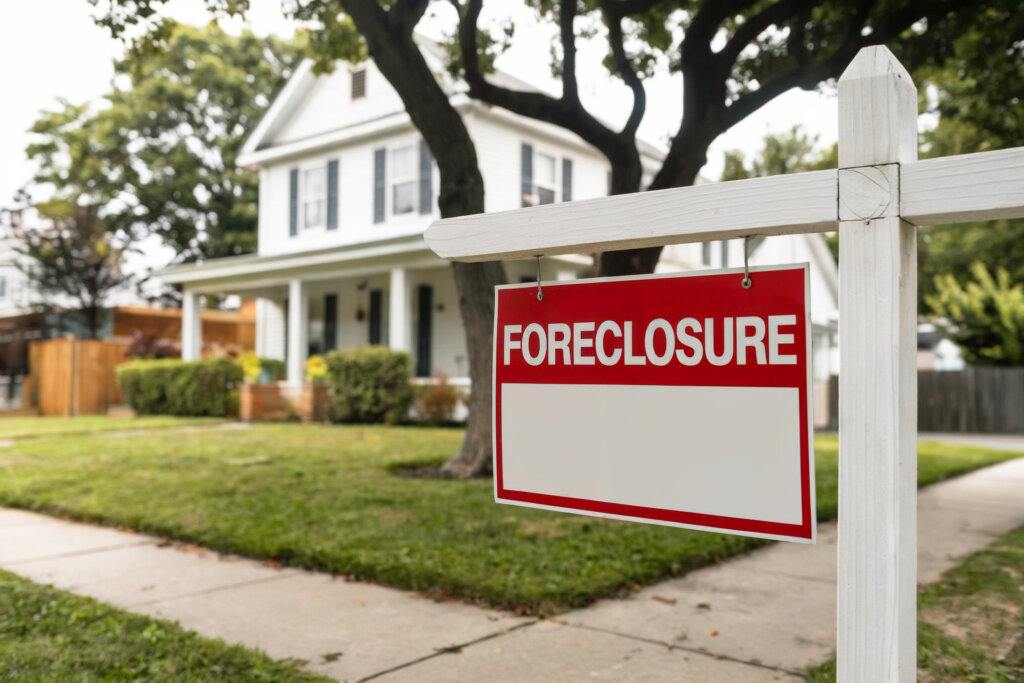
Receiving a notice that your Connecticut home is heading toward foreclosure is one of the most stressful things a homeowner can face. The fear of losing your home, the uncertainty about timelines, and the pressure to act fast can feel overwhelming. But you do have options, and you have more time than you might think to use them.
This guide explains how Connecticut’s foreclosure process works, what alternatives are available to stop it or slow it down, and why selling your home before the auction is often the single best move you can make to protect your financial future.
How Connecticut’s Foreclosure Process Works
Connecticut uses a judicial foreclosure process, which means a lender cannot simply take your home. They must file a lawsuit in court and obtain a judgment before any sale can proceed. This gives homeowners more time and more opportunities to respond than in states that use a non-judicial process.
The process typically unfolds in stages. It begins when you miss payments, typically two or more. After approximately 90 days of missed payments, the lender issues a formal notice of default. If you have not resolved the situation, the lender files a formal complaint with the Connecticut Superior Court. This is when the legal foreclosure clock officially starts. Connecticut courts conduct a mediation program that allows homeowners and lenders to work toward a resolution before a judge rules. If no resolution is reached, the court enters a judgment of foreclosure, and a public auction is scheduled no sooner than 30 days after the judgment is entered. The full process from complaint filing typically takes around nine months.
Your Options to Stop or Slow Foreclosure
Loan Modification
A loan modification is a permanent change to your mortgage terms negotiated directly with your lender. The lender may agree to reduce your interest rate, extend your loan term, or add missed payments to the back of the loan. Loan modifications are not guaranteed and can take months, but if you want to stay in your home and your financial situation has stabilized, this is often the best place to start.
Forbearance
Forbearance is a temporary pause or reduction in your mortgage payments agreed to by your lender. It is not forgiveness of the debt. At the end of the forbearance period, you will owe everything that was not paid. Forbearance works best if you are facing a temporary hardship with a clear path to recovery.
Deed in Lieu of Foreclosure
With a deed in lieu, you voluntarily transfer ownership of the home to the lender in exchange for being released from the mortgage debt. This avoids the formal foreclosure process. However, lenders are not required to accept a deed in lieu, and they typically will not agree if there are other liens on the property.
Chapter 13 Bankruptcy
Filing for Chapter 13 bankruptcy triggers an automatic stay, which immediately pauses all collection actions, including foreclosure. This gives you time to reorganize your finances through a court-approved repayment plan over three to five years. Chapter 13 has significant credit consequences, but it can be the right move if you have sufficient income and want to keep the home.
Selling Before the Auction
If your home has equity, selling it before the foreclosure auction is often the most financially sound decision you can make. A foreclosure auction rarely produces the best price for your home. By selling on your terms before the auction, you receive fair market value, pay off the mortgage and any other liens, and keep whatever equity remains. Once a foreclosure judgment is entered and the auction happens, that equity can be gone.
Foreclosure Alternatives at a Glance
| Option | Credit Impact | Timeline | Best For |
|---|---|---|---|
| Loan Modification | Moderate (delinquency already reported) | 2 to 6 months for approval | Homeowners who want to stay and have a steady income |
| Forbearance | Moderate (payment pause reported) | Temporary, typically 3 to 12 months | Short-term hardship with expected recovery |
| Deed in Lieu | Significant, but less severe than foreclosure | 1 to 3 months to negotiate | Homeowners with no equity and lender cooperation |
| Chapter 13 Bankruptcy | Severe; stays on credit for 7 years | 3 to 5-year repayment plan | Homeowners wanting to keep the home with sufficient income |
| Short Sale | Significant, but generally better than foreclosure | 2 to 6 months for lender approval | Underwater homes where lender cooperation is achievable |
| Cash Sale Before Auction | Minimal impact from the sale itself | As little as 7 days with a cash buyer | Homeowners with equity who need a fast, certain exit |
Why Selling Before the Auction Is Often the Smartest Move
A cash sale allows you to stop the foreclosure in its tracks. Once the sale closes, the mortgage is paid off from the proceeds, any other liens are settled, and the foreclosure has nothing left to attach to. You walk away with your remaining equity and avoid the lasting financial damage that a completed foreclosure creates.
A completed foreclosure can stay on your credit report for seven years. Selling to a cash buyer like Neighbor Joe removes the biggest obstacles that prevent homeowners from acting in time. There are no repairs to make, no listing period to wait through, no buyer financing that can fall apart. You get a cash offer within 24 hours and can close in as little as 7 days.
Neighbor Joe has been buying Connecticut homes since 2018, including homeowners in pre-foreclosure and foreclosure. No commissions, no agent fees, no closing costs to the seller. You choose the closing date.
Step 1: Get Your Free Offer. Call 203-590-9487 or visit neighborjoe.com. Step 2: Choose Your Closing Date. Step 3: Start Your Next Chapter. Call 203-590-9487 today.
Frequently asked questions
How long does foreclosure take in Connecticut?
From the time a formal complaint is filed in court, the process typically takes around nine months before an auction can be scheduled. The full timeline from the first missed payment to auction can stretch to a year or more. This gives homeowners a meaningful window to explore alternatives, but it is important to act early.
Can I sell my home if it is already in foreclosure?
Yes. As long as the auction has not already taken place and you still own the property, you can sell it. A fast cash sale can close quickly enough to pay off the mortgage and stop the foreclosure process entirely.
Will selling my home stop the foreclosure immediately?
Yes, once the sale closes and the mortgage is paid off from the proceeds, the foreclosure has no basis to continue. The lien is satisfied, and the legal action ends.
What if I owe more on my mortgage than my home is worth?
If your home is underwater, a conventional sale would not cover the debt. In that case, your options include requesting a loan modification, pursuing a short sale with lender approval, or filing for bankruptcy protection.
Does going through foreclosure affect more than just my credit?
Yes. A completed foreclosure can appear on your credit report for seven years, making it harder to qualify for future mortgages, auto loans, and, in some cases, rental housing. Some employers also run credit checks, and a foreclosure can affect your prospects there as well.