
Quick Answer: In a slow market, correct pricing from day one matters more than anything else. Small, low-cost improvements and strong photos help your home stand out when buyers are scarce. Flexible showings and smart incentives can move a hesitant buyer off the fence. Every extra month on the market costs you in payments, taxes, and price reductions. A cash sale skips the waiting entirely and closes in days, regardless of market conditions.
When buyers are scarce and homes sit for months, selling can feel like an uphill climb. The good news is that homes still sell in slow markets every day, and the right strategy makes the difference. This guide covers how to sell your home quickly in a slow market, from pricing to prep, plus the fastest option of all if you simply cannot wait.
What a Slow Market Means for Sellers
A slow market is one where homes outnumber active buyers. Properties take longer to sell, price cuts are common, and buyers gain the upper hand in negotiations. In Connecticut, this often happens in winter, when cold weather and holiday spending pull shoppers away, and it can also follow rising interest rates that shrink what buyers can afford.
Learning how to sell your home quickly in a slow market starts with accepting the conditions and adjusting your approach. The sellers who win are the ones who price sharply, present well, and remove friction for buyers.
Price It Right From Day One
Pricing is the single most important lever in a slow market. Overpricing is the most common reason a home lingers. When few buyers are looking, an inflated price gets skipped entirely, and a stale listing invites lowball offers later.
Study recent sales of comparable homes in your neighborhood, not old listing prices, and set a number that looks like a clear value. A home priced correctly from the start often sells faster and for more than one that chases the market down with repeated reductions.
Make Your Home Easy to Choose
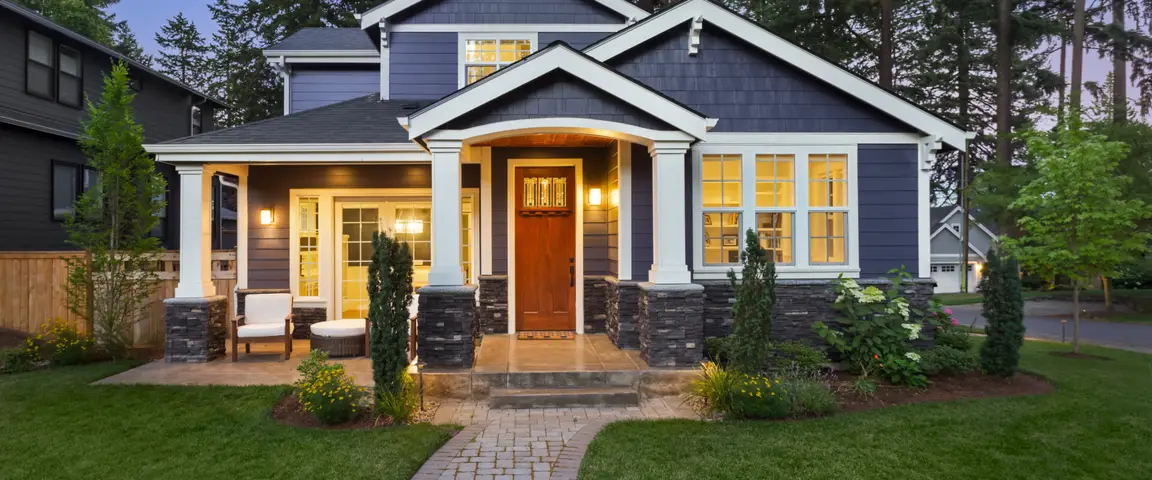
When buyers have options, presentation breaks the tie. You do not need a costly remodel. Focus on quick, affordable improvements that make the home feel cared for.
- Boost curb appeal with fresh mulch, a clean entry, and trimmed landscaping.
- Apply neutral paint to brighten dated or bold rooms.
- Declutter and deep clean every space so rooms feel larger.
- Fix small annoyances like leaky faucets, sticky doors, and burnt-out bulbs.
- Invest in professional photos, since most buyers judge a home online first.
Staging the main living areas and keeping the home show-ready also helps buyers picture themselves there, which shortens the time to an offer.
Reduce Friction and Add Incentives
In a buyer-friendly market, convenience and incentives can tip the scales. Offer flexible showing times so no interested buyer is turned away. Consider covering some closing costs, offering a home warranty, or being open to a quick closing for a motivated buyer. Each of these lowers the barrier and can be the nudge that turns interest into a signed contract.
Listing vs Cash Sale in a Slow Market
| Factor | Traditional Listing | Cash Sale to Neighbor Joe |
|---|---|---|
| Time to sell | Often months in a slow market | As little as 7 days |
| Repairs and prep | Usually required | None, sold as is |
| Showings | Many, on buyer schedules | None |
| Financing risk | Deals can fall through | Cash, no financing contingency |
| Costs | Commissions and fees apply | No commissions or fees |
Common Mistakes That Keep Homes on the Market
Knowing how to sell your home quickly in a slow market also means knowing what to avoid. A few common mistakes can keep an otherwise good home sitting for months. The biggest is overpricing and then reducing in small, slow steps, which signals to buyers that the home is not moving and invites lowball offers. Another is poor presentation, since weak photos and cluttered rooms cause buyers to scroll right past in a market where they have plenty of choices.
Inflexibility hurts too. Refusing reasonable showing times, resisting small concessions, or digging in on every negotiation point can scare off the limited buyers who are actually looking. Finally, ignoring obvious repairs gives buyers a reason to move on or to demand steep discounts after the inspection. In a slow market, every point of friction matters more because there are fewer buyers to absorb it.
Be Realistic About the Timeline
In soft conditions, even a well-prepared and well-priced home can take longer than you expect. Buyers move cautiously, they negotiate harder, and financing can take extra time to come together. Going in with realistic expectations helps you avoid panic price cuts and make calmer decisions. Build in a cushion for carrying costs, and decide in advance how long you are willing to wait before you consider a faster alternative.
If a long, uncertain timeline does not work for your situation, that is the moment to weigh a guaranteed sale against the hope of a better price down the road. For many sellers in a slow market, certainty wins.
When Speed Matters More Than Squeezing Out Every Dollar
Every month your home sits costs you. Mortgage payments, property taxes, insurance, and upkeep add up, and a slow market can stretch a sale far beyond what you planned. For some sellers, the certainty of a fast close is worth more than holding out for a top price that may never come in soft conditions.
If you are relocating, settling an estate, going through a divorce, or just tired of waiting, the fastest way to sell your home quickly in a slow market is to skip the open market altogether.
Sell Fast for Cash With Neighbor Joe
Neighbor Joe buys houses throughout Connecticut for cash, in any condition and any market. There are no showings, no repairs, and no waiting on a buyer’s mortgage that might fall apart. You get a fair, no obligation offer, often within 24 hours, and you choose the closing date.
Because the offer is cash, a slow market does not slow you down. You can close in as little as 7 days, with no commissions, no fees, and no closing costs. When you need a sure thing instead of a maybe, that certainty is the real advantage.
It also helps to remember why slow markets exist in the first place. They are usually driven by forces outside your control, such as interest rates, the season, and the wider economy. You cannot fix those conditions, but you can choose a selling path that is not at their mercy. A cash sale gives you that path. Whether the market turns around next month or stays soft for a year, your sale is already handled, and you can plan your next move with confidence instead of waiting on conditions to improve.
Frequently Asked Questions
How do you sell your home quickly in a slow market?
Price it correctly from day one, make low-cost improvements, use professional photos, offer flexible showings and incentives, and consider a cash sale for the fastest possible close.
Should I lower my price in a slow market?
It is better to price correctly from the start than to chase the market down with repeated cuts. A sharp initial price attracts the limited pool of active buyers.
How long does it take to sell in a slow market?
A traditional listing can take several months in slow conditions. A cash sale to Neighbor Joe can close in as little as 7 days.
Do I need to make repairs to sell quickly?
Not if you sell to a cash buyer. Neighbor Joe buys homes as is, so you can skip repairs, cleaning, and staging entirely.
Is a cash offer lower than a traditional sale?
A cash offer reflects the convenience, speed, and zero costs involved. After commissions, repairs, and months of carrying costs, many sellers find the net result very competitive.
Sources
- National Association of Realtors, Profile of Home Buyers and Sellers: https://www.nar.realtor/research-and-statistics/research-reports/highlights-from-the-profile-of-home-buyers-and-sellers
- Clever Real Estate, How to Sell My House Fast in Connecticut: https://listwithclever.com/real-estate-blog/sell-my-house-fast-connecticut/
- Redfin, Connecticut Housing Market: https://www.redfin.com/state/Connecticut/housing-market