

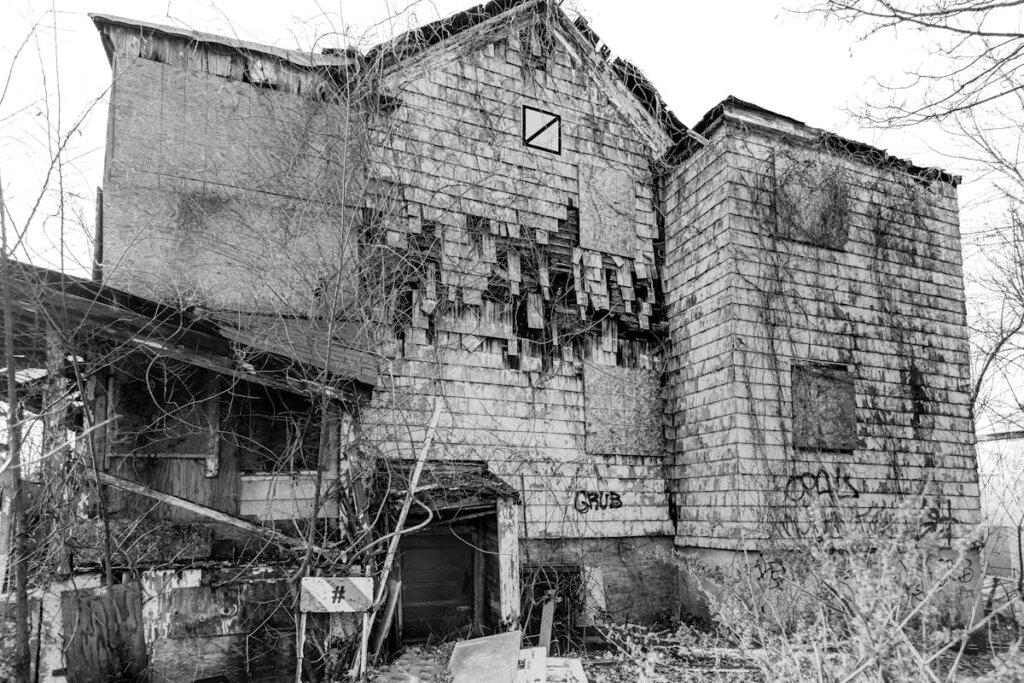
Trying to sell a house with code violations in Connecticut can feel overwhelming, especially when you are facing pressure from the city, worried buyers, or the fear of expensive repairs. Many homeowners assume that code violations automatically make a house unsellable. In reality, it is completely possible to sell a house with code violations if you understand how the process works and choose the right selling strategy.
Selling a house with code violations is more common than most people realize. Older homes, rental properties, inherited houses, and neglected properties often accumulate violations over time. Whether the violations are minor or severe, there are realistic options available that do not require you to bring the property fully up to code before selling.
What Code Violations Mean for Connecticut Homeowners
Code violations occur when a property does not meet local or state building, safety, or zoning standards. In Connecticut, these violations are typically issued by a local building department, housing authority, or code enforcement office. Selling a house with code violations often becomes stressful because violations can carry fines, deadlines, or even condemnation notices.
Common issues include unsafe electrical wiring, missing permits, structural problems, plumbing issues, fire safety concerns, broken stairs, or unapproved additions. Over time, unresolved problems can stack up, making the house harder to manage and more expensive to fix.
Selling a house with code violations does not mean the home is illegal to sell. It simply means there are known compliance issues that must be handled correctly during the sale.
Do You Have to Fix Code Violations Before Selling
One of the biggest misconceptions is that you must fix all violations before you can sell. In Connecticut, there is no law requiring a homeowner to correct every code violation before selling a property. What is required is proper disclosure.
If you are aware of existing violations, you must be honest about them. Selling a house with code violations is legal as long as buyers are informed. Many buyers are willing to take on repairs if the price reflects the condition of the property.
In some cases, municipalities may require that violations be addressed by the new owner after the sale. This is often handled through agreements or acknowledgments signed at closing. Selling a house with code violations is possible without repairs when the right buyer is involved.
Disclosure Obligations When You Sell a House With Code Violations
Connecticut requires sellers to disclose known material defects. Code violations fall into this category because they can affect safety, value, and habitability. When you sell a house with code violations, transparency is essential.
You are not required to investigate or uncover new violations, but you cannot hide ones you already know about. Providing documentation from the town or city helps protect you from future disputes. Buyers who proceed with full knowledge are far less likely to claim misrepresentation after closing.
Selling a house with code violations becomes smoother when everything is clearly communicated upfront.
Why Traditional Buyers Often Walk Away
Selling a house with code violations through a traditional real estate listing can be difficult. Most retail buyers want homes that are move-in ready. When inspection reports reveal code issues, buyers often panic or demand repairs.
Buyers using mortgages face even bigger obstacles. Lenders typically require homes to meet basic safety standards before approving financing. Electrical hazards, structural defects, or open permits can stop a loan from being approved. As a result, deals often fall apart late in the process.
Appraisals can also be impacted. If an appraiser notes code violations, the appraised value may come in lower than expected. This can force price reductions or require buyers to bring additional cash. Selling a house with code violations through traditional financing often leads to delays and frustration.
The Cost of Bringing a Property Up to Code
Fixing code violations can be extremely expensive. Electrical upgrades, plumbing replacements, structural repairs, and permit corrections can cost tens of thousands of dollars. In older homes, repairs often uncover additional hidden issues that increase costs further.
Many homeowners start repairs thinking they will fix only a few problems, only to realize the scope is much larger. Selling a house with code violations after investing heavily does not always guarantee a higher sale price.
For homeowners dealing with financial hardship, relocation, divorce, probate, or long-term neglect, repairing everything before selling may not be realistic. Selling a house with code violations without repairs allows you to avoid financial risk and uncertainty.
Selling a House With Code Violations As Is
Selling a house with code violations as is means you are offering the property in its current condition without making repairs. This approach is common for distressed properties and fixer-uppers.
When selling a house with code violations as is, pricing is critical. Buyers expect a discount that reflects the work required to bring the home into compliance. While the price may be lower, the trade-off is avoiding repair costs, permit delays, and months of work.
As is, sales tend to attract investors, contractors, and experienced buyers who understand how to resolve violations efficiently. These buyers are often more comfortable navigating city requirements and budgeting for repairs.
Municipal Liens and Fines
Some code violations come with fines or liens attached to the property. Selling a house with code violations does not mean these issues disappear. In many cases, liens must be addressed at closing, either by the seller or through negotiation with the buyer.
Cash buyers often handle this more smoothly because they are familiar with municipal processes. Selling a house with code violations to a buyer who understands how to work with local authorities can simplify the transaction.
Why Cash Buyers Make Selling Easier
Selling a house with code violations to a cash buyer is often the simplest option. Cash buyers do not rely on lender approval, which eliminates many of the obstacles tied to code issues.
There are usually fewer inspections and no financing contingencies. The buyer evaluates the property as it sits and factors the cost of resolving violations into their offer. This creates certainty and reduces last-minute surprises.
Speed is another major advantage. Selling a house with code violations to a cash buyer can close quickly, sometimes in just days. This is especially helpful if you are facing fines, deadlines, or pressure from the city.
How Neighbor Joe Helps With Code Violation Properties
Neighbor Joe specializes in helping homeowners sell difficult properties. Selling a house with code violations to Neighbor Joe means you do not need to make repairs, clear permits, or deal with inspectors.
The property is purchased as is. There are no commissions, no inspection contingencies, and no hidden fees. You receive a fair cash offer based on the condition of the home and the scope of the violations.
Sell your home for cash with code violations through Neighbor Joe removes uncertainty. There is no waiting on financing approvals or worrying about deals falling apart due to inspections or appraisals.
Moving Forward After You Sell a House With Code Violations
Once the sale is complete, the burden of code violations is lifted. You no longer have to worry about fines, repairs, or ongoing pressure from local authorities. Many homeowners feel immediate relief knowing the responsibility has been transferred.
Waiting often makes things worse. Violations can multiply, fines can grow, and repairs can become more expensive. Selling a house with code violations sooner can protect your finances and your peace of mind.
If you are feeling stuck, remember that selling a house with code violations in Connecticut is possible, especially with divorce home sales in CT. With the right approach and the right buyer, you can sell without repairs and move forward confidently.