

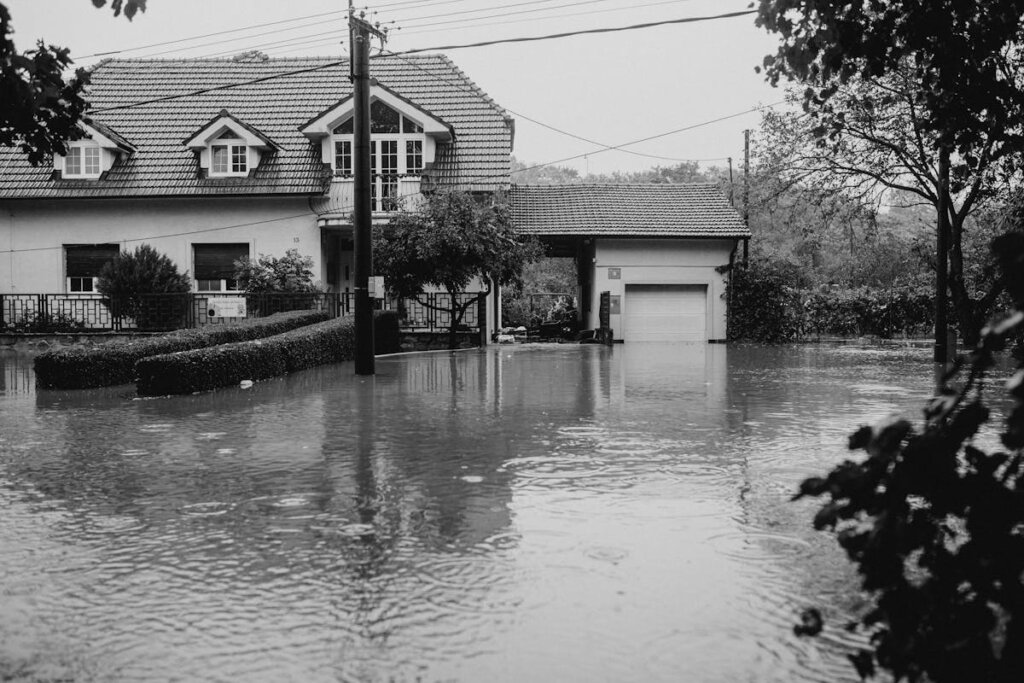
Flood damage is one of the most stressful problems a homeowner can face, especially in Connecticut, where coastal storms, heavy rain, snowmelt, and aging drainage systems can all lead to water intrusion.
When a home has been impacted by flooding, many owners assume they must spend months and tens of thousands of dollars fixing the damage before selling. In reality, it is entirely possible to sell a flood-damaged house in Connecticut without making repairs if you understand the process and choose the right selling strategy.
Why Flood Damage Creates Serious Selling Challenges
Flood damage goes far beyond surface-level issues. Water can seep into foundations, walls, flooring, insulation, and electrical systems. Even after visible water is removed, lingering moisture can cause mold growth, wood rot, and long-term structural problems. Buyers are often wary of these risks, especially if they are unfamiliar with flood remediation.
In Connecticut, flood-damaged homes are often flagged during inspections and appraisals. Buyers may worry about future flooding, insurance costs, and resale value. These concerns make it harder to sell a flood-damaged house using traditional methods, particularly when buyers rely on mortgage financing.
Is It Legal to Sell a Flood-Damaged House Without Repairs in Connecticut
Yes, Connecticut law allows homeowners to sell a flood-damaged house without making repairs. There is no legal requirement to restore the property before selling. However, disclosure laws still apply. If you know your home has experienced flooding or has flood-related damage, you must disclose that information honestly to potential buyers.
Selling without repairs does not mean hiding the damage. It means the buyer agrees to purchase the property in its current condition after being informed of known issues. Many homeowners choose this path because flood repairs can be unpredictable, expensive, and emotionally exhausting.
The Real Cost of Flood Repairs in Connecticut
Flood remediation costs can escalate quickly. What begins as water extraction may turn into full demolition of drywall, flooring, cabinets, and insulation. Mold remediation alone can cost thousands of dollars, and structural repairs add even more expense.
Even after repairs, buyers may still be cautious. A flood history can follow a property, raising questions during future sales. For many homeowners, investing heavily in repairs does not guarantee a smooth or profitable sale. This is why many decide to sell a flood-damaged house as is rather than take on financial risk.
Why Traditional Buyers Often Walk Away From Flooded Homes
Most traditional buyers use mortgage financing, which introduces multiple hurdles. Lenders often require homes to meet certain condition standards. Flood damage can cause a property to fail appraisal or require repairs before loan approval.
Home inspectors are trained to identify signs of past flooding, moisture intrusion, and mold. Once these issues are documented, buyers may renegotiate aggressively or cancel the deal entirely. Each failed transaction costs the seller time and money, especially when the home is vacant or uninhabitable.
These realities make traditional listings frustrating for sellers who want certainty.
Selling a Flood-Damaged House As Is for Cash
One of the most effective ways to sell a flood-damaged house without making repairs is to sell it as is for cash. Cash buyers do not rely on lenders, which eliminates appraisal and financing obstacles. They evaluate the property based on its current condition and future potential.
When you sell for cash, you are not expected to remediate flood damage, remove mold, or rebuild damaged areas. The buyer assumes responsibility for all repairs after closing. This approach allows sellers to avoid upfront costs and long timelines.
Cash buyers are accustomed to flood-damaged properties. They understand local flood zones, remediation requirements, and renovation costs in Connecticut. This experience allows them to move forward confidently when others hesitate.
Flood Zones and Insurance Concerns
Many flood-damaged homes in Connecticut are located in designated flood zones. This can complicate traditional sales because buyers worry about insurance availability and premiums. Flood insurance requirements can change, adding uncertainty for financed buyers.
Cash buyers are less affected by these concerns. They do not need lender approval for insurance and often plan renovations that reduce future flood risk. For sellers, this means fewer questions and faster decisions.
Selling a flood-damaged house for cash can bypass many of the insurance-related delays that stall traditional transactions.
Timing Is Critical After Flood Damage
Flood damage tends to worsen over time if not addressed. Lingering moisture can spread mold and weaken structural components. Even if repairs are planned, delays can increase damage and costs.
Selling quickly limits further deterioration and reduces liability. It also helps homeowners avoid ongoing expenses such as insurance, property taxes, and utilities on a damaged property. This is especially important if the home is unlivable.
Many sellers find that acting quickly is the safest choice after a flood.
Emotional and Financial Relief of Selling As Is
Flood damage often coincides with emotional stress. Homeowners may be dealing with insurance disputes, displacement, or financial strain. The uncertainty of repairs and resale can feel overwhelming.
Selling a flood-damaged house as is can provide relief. Once the sale is complete, the burden of repairs and risk transfers to the buyer. Sellers can move forward without worrying about future flooding or unexpected costs.
This clarity is often worth more than trying to maximize price through repairs.
Choosing a Safe and Transparent Selling Option
Selling quickly does not mean sacrificing safety. Reputable buyers provide clear offers, written agreements, and flexible closing timelines. They respect disclosure laws and ensure the transaction follows Connecticut regulations.
Sellers should avoid buyers who pressure them to hide flood history or rush decisions without documentation. A safe sale protects both parties and reduces the chance of legal issues after closing.
Selling a flood-damaged house safely means working with professionals who value transparency and fairness.
Making the Right Decision for Your Situation
Every flood-damaged property is different. Some homeowners may choose to repair and list, while others prioritize speed and certainty. The right decision depends on finances, timeline, and tolerance for risk.
If your goal is to avoid repairs and sell efficiently, selling as is for cash is often the most practical option. It removes uncertainty and allows you to control the closing timeline.
Understanding your options empowers you to choose the path that best fits your needs.
Final Thoughts on Selling a Flood-Damaged House in Connecticut
Flood damage does not mean you are stuck with a property you cannot sell. Connecticut homeowners can legally and successfully sell a flood-damaged house without making repairs. By disclosing known issues and choosing the right buyer, you can move forward with confidence.
Selling as is for cash offers a fast, safe solution when traditional methods fall short. It allows you to turn a difficult situation into a fresh start without pouring more money into a damaged home.