

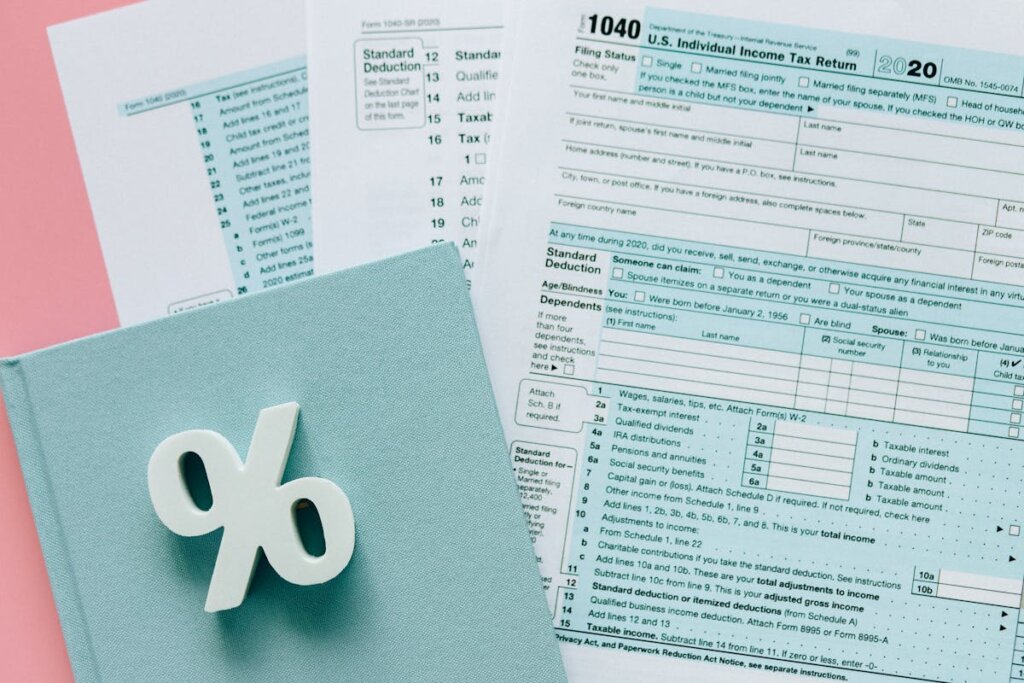
Selling a home for cash in Connecticut often sounds simple on the surface. Many homeowners expect fewer delays, less paperwork, and a faster closing. One of the most common questions sellers ask, however, is whether the house sales tax in CT still applies when the property is sold for cash.
Understanding how taxes work when selling a home is critical because taxes can significantly affect how much money you walk away with after closing.
The house sales tax in CT is not a single tax. It is a phrase many sellers use to describe several different taxes and fees that may apply when real estate changes hands. Whether you sell your home through a traditional listing or accept a cash offer, most of these taxes still apply. The difference is how predictable the costs are and how much control you have over the process.
Understanding What House Sales Tax in CT Really Means
Many homeowners assume Connecticut has a straightforward sales tax similar to what you pay when buying goods. Real estate does not work that way. When people refer to house sales tax in CT, they are usually talking about capital gains taxes, the Connecticut real estate conveyance tax, and prorated property taxes.
These taxes are not determined by how the home is sold. They are determined by ownership history, profit, location, and timing. Selling for cash does not eliminate house sales tax in CT, but it can simplify how these taxes are handled and reduce other costs tied to selling.
Cash buyers do not change tax laws, but they do reduce the risk of delays, failed financing, and unexpected renegotiations that can impact your net proceeds.
Capital Gains and House Sales Tax in CT
Capital gains tax is often the most significant tax sellers worry about. This tax applies when you sell a home for more than what you paid for it, adjusted for certain improvements and deductions. House sales tax in CT includes capital gains because Connecticut follows federal capital gains rules.
If the home was your primary residence for at least two of the last five years, you may qualify for a capital gains exclusion. Single filers can exclude up to a certain amount, and married couples filing jointly can exclude even more. If your profit falls below those thresholds, you may not owe capital gains tax at all.
Selling your home for cash does not change whether capital gains tax applies. The determining factor is how long you lived in the home and how much profit you made. Cash sales simply make it easier to calculate your numbers because the sale price and closing timeline are clear from the beginning.
Connecticut Real Estate Conveyance Tax Explained
Another major part of the house sales tax in CT is the real estate conveyance tax. This tax is paid when ownership of a property transfers from the seller to the buyer. Connecticut charges both a state conveyance tax and a local conveyance tax.
The amount owed depends on the sale price and the town where the property is located. Higher-priced homes may be subject to higher rates. This tax applies regardless of whether the home is sold for cash or financed through a lender.
When selling to a cash buyer, the conveyance tax is usually calculated quickly and paid at closing. There are no lender delays or appraisal disputes that can change the numbers at the last minute. This makes planning easier for sellers who want to know exactly how much house sales tax in CT they will owe.
Property Taxes and Timing Your Sale
Property taxes are another component often included when people talk about the house sales tax in CT. In Connecticut, property taxes are assessed by local municipalities and paid based on how long you owned the home during the tax year.
When you sell your home, property taxes are prorated. You are responsible for paying taxes up to the day of closing. The buyer takes responsibility from that point forward. Selling for cash does not remove this obligation, but it often allows for a faster closing, which can reduce how much you owe.
If you close earlier in the tax year, you may owe less in prorated property taxes. Cash sales are attractive to sellers who want to control timing and limit ongoing tax responsibilities.
Does Selling for Cash Change House Sales Tax in CT
The short answer is no. The house sales tax in CT applies regardless of whether the buyer pays cash or uses a mortgage. The tax laws are tied to the transaction itself, not the method of payment.
What selling for cash does change is the overall cost of selling. Traditional sales often include agent commissions, inspection credits, repair negotiations, and lender-related fees. While these are not taxes, they reduce your final profit just like taxes do.
When you sell for cash, you often avoid commissions, appraisal issues, and buyer financing problems. This means that while the house sales tax in CT remains the same, your net proceeds are often higher.
How Cash Sales Simplify Tax Planning
One of the biggest advantages of a cash sale is predictability. When selling through a traditional listing, deals can fall apart late in the process. A delayed or canceled sale can push you into a new tax year, changing how house sales tax in CT applies.
A cash sale usually closes quickly and on a schedule you agree to upfront. This makes it easier to plan for capital gains taxes, property tax proration, and conveyance tax payments. Sellers who need to settle an estate, avoid foreclosure, or relocate quickly often benefit from this clarity.
Knowing your exact sale date and price allows you and your tax professional to plan effectively and avoid surprises.
Common Misconceptions About House Sales Tax in CT
Some sellers believe that selling for cash means no taxes are owed. This is not accurate. Others think that cash buyers handle all taxes for them. While some buyers may cover certain closing costs, taxes tied to ownership are almost always the seller’s responsibility.
Another misconception is that selling below market value to a cash buyer avoids the house sales tax in CT. While a lower sale price may reduce capital gains or conveyance taxes, it does not eliminate them automatically. The tax impact depends on your original purchase price and improvements, not just the final sale amount.
Understanding these misconceptions helps sellers make informed decisions and avoid disappointment after closing.
Why Many Sellers Still Choose Cash Despite the House Sales Tax in CT
Even though the house sales tax in CT still applies, many homeowners prefer cash sales because of the overall simplicity. There are fewer parties involved, less paperwork, and fewer opportunities for deals to fall through.
Cash buyers typically purchase homes as is, meaning you do not have to spend money on repairs that may not increase your net return. This can offset the impact of taxes and leave you with more usable cash after the sale.
For homeowners dealing with inherited properties, financial stress, or time-sensitive situations, the benefits of a cash sale often outweigh concerns about the house sales tax in CT.
Final Thoughts on House Sales Tax in CT When Selling for Cash
Selling a home for cash in Connecticut does not eliminate the house sales tax in CT, but it does make the process more straightforward. Capital gains taxes, conveyance taxes, and prorated property taxes still apply based on state and local laws.
What changes is how smoothly the transaction moves and how predictable your final numbers are. Cash sales reduce uncertainty, speed up closing, and often lower non-tax-related expenses that can eat into your profit.
Before selling, it is always wise to speak with a tax professional who understands Connecticut real estate laws. With the right planning and a clear understanding of house sales tax in CT, selling your home for cash can be a smart and efficient financial decision.