

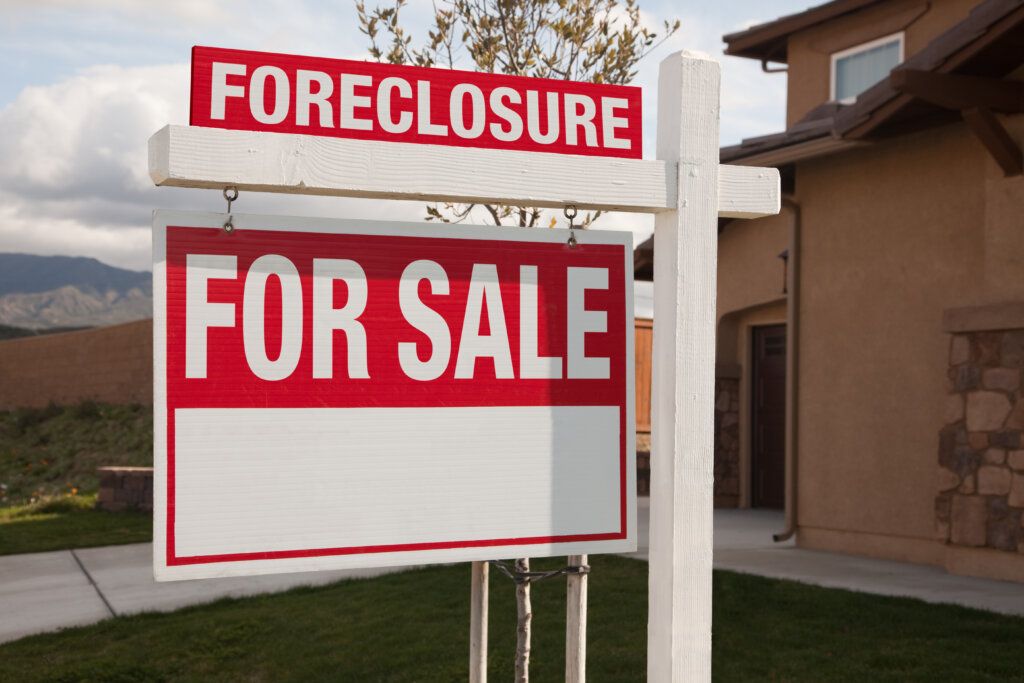
Missing a mortgage payment is stressful. Missing several in a row can feel like a crisis, especially when the notices start arriving, and you are not sure what happens next. The truth is that foreclosure in Connecticut does not happen overnight. There is a defined sequence of events, and at nearly every stage, you have choices that can change the outcome.
This guide walks you through the full Connecticut foreclosure timeline from the first missed payment to the final resolution, what happens at each stage, and what you can do to protect yourself along the way.
How Connecticut Foreclosure Works
Connecticut is a judicial foreclosure state. That means your lender cannot simply take your home by sending a notice. The lender must file a lawsuit in Connecticut Superior Court and obtain a court judgment before any foreclosure can be completed. Connecticut primarily uses strict foreclosure, where the court sets a deadline called a Law Day rather than ordering an auction. If the homeowner has not paid the full debt by Law Day, title passes directly to the lender. No auction, no redemption period after the fact. Understanding the timeline helps you see exactly when your most important windows of opportunity open and close.
The CT Foreclosure Timeline, Stage by Stage
Stage 1: Missed Payment and Grace Period
Your mortgage payment is technically late on the day after it was due. However, most mortgage servicers in Connecticut allow a grace period of approximately 15 days before a late fee is charged. Your credit score begins to take damage even at this stage. A single payment reported as 30 days late can drop your score significantly. Contact your servicer before the grace period ends to ask about forbearance options or payment assistance.
Stage 2: Demand Letter
After approximately two consecutive missed payments, most lenders send a formal demand letter notifying you that you are in default, stating the amount you must pay to bring the loan current, and giving you a deadline to respond. A demand letter is serious, but it is not a court filing. Paying the full past-due amount at this stage brings the account current and stops the process. Contacting a housing counselor or foreclosure attorney can help you understand whether a loan modification or repayment plan is realistic.
Stage 3: Notice of Default and Loan Acceleration
If the demand letter goes unanswered, your lender will typically issue a formal Notice of Default around the 90-day mark after the first missed payment. This triggers loan acceleration: the lender declares the entire remaining balance immediately due. You no longer owe just the missed payments. You owe the full outstanding principal, plus interest, fees, and costs. This is a critical moment to get legal advice and begin exploring sale options seriously.
Stage 4: Pre-Filing Period
Before your lender can file a foreclosure complaint in court, it must prepare the legal documents. This period typically runs 30 to 90 days after the Notice of Default. This stage can feel quiet, which sometimes leads homeowners to think the situation has resolved itself. It has not. Use this time actively. If you are considering selling your home before foreclosure is completed, this is one of the best stages to move.
Stage 5: Complaint Filed in Court
When the lender files the foreclosure complaint with the Connecticut Superior Court, the legal process officially begins. A lis pendens is recorded against your property. You will be served with the complaint and given 20 to 30 days to file a written response. If you do not file a response, the court may enter a default judgment against you. Do not ignore the complaint.
Stage 6: Court Judgment
After the response period closes, the court reviews the case. If the lender proves its case, the court enters a judgment of strict foreclosure and sets Law Days. Your Law Day is your last chance to pay the full debt and retain the home. Courts have discretion to grant extensions of Law Days when a homeowner has a concrete plan to sell or refinance. If a cash sale is your path, move as quickly as possible to get a buyer lined up.
Stage 7: Law Day or Auction
In a strict foreclosure, once the Law Day passes without the debt being paid, title to your home transfers directly to the lender. There is no auction and no further redemption period. In the less common scenario where the court ordered a foreclosure by sale, a public auction is scheduled no sooner than 30 days after the court judgment. At this stage, your options are very limited. The most important lesson from this stage is that it underscores why acting during earlier stages matters so much.
Connecticut Foreclosure Timeline at a Glance
| Stage | Trigger | Typical Duration | Homeowner Action |
|---|---|---|---|
| Missed payment and grace period | Payment due date passes | 15-day grace period | Contact servicer, explore forbearance |
| Demand letter | ~2 missed payments | 30-day response window | Respond, seek a loan modification or a housing counselor |
| Notice of Default/acceleration | ~90 days after first missed payment | Varies by lender | Get legal advice, begin exploring sale options |
| Pre-filing period | After Notice of Default | 30 to 90 days | Strong window to list or arrange a cash sale |
| Complaint filed in court | Lender initiates lawsuit | 20 to 30 days to respond | File an answer, retain an attorney |
| Court judgment | After the response period | Law Days set by the court | Request extension if needed, finalize sale |
| Law Day or auction | Post-judgment | Final deadline | Debt must be paid in full, or title transfers to the lender |
Why Selling Before Foreclosure Is Often the Best Option
For many Connecticut homeowners, selling the home before foreclosure is completed is the most practical way to protect their financial future. A sale before Law Day can pay off the mortgage, stop the foreclosure proceedings, avoid a deficiency judgment, and give you some control over the outcome.
A cash sale moves far more quickly than a traditional listing. Cash buyers do not need financing approval, and there are no appraisal contingencies or mortgage underwriting delays. A well-prepared cash sale can close in as little as seven days.
Neighbor Joe is a local Connecticut cash home buyer who has been helping homeowners in difficult situations since 2018. We buy homes as-is, in any condition, anywhere in Connecticut. We can make you a cash offer within 24 hours, with no obligation to accept. Step 1: Get Your Free Offer. Call 203-590-9487 or visit neighborjoe.com. Step 2: Choose Your Closing Date. Step 3: Start Your Next Chapter. Call 203-590-9487 today.
Frequently asked questions
How long does the foreclosure process take in Connecticut?
From the first missed payment, the complete foreclosure process in Connecticut typically takes 12 to 18 months, sometimes longer. From the date a complaint is filed in court, the process usually runs approximately 9 months. Every case is different, and the timeline can be extended by court backlogs and homeowner responses.
Can I stop foreclosure after a complaint is filed?
Yes. Even after a complaint is filed, you have options. You can file a legal response, request a Law Day extension, pursue a loan modification, or complete a sale of the property before the Law Day arrives.
Does foreclosure affect my credit score immediately?
Credit damage begins with the first missed payment, before any formal foreclosure proceedings start. Each additional missed payment deepens the impact. A completed foreclosure stays on your credit report for seven years.
What is a Law Day in Connecticut foreclosure?
A Law Day is the court-ordered deadline by which you must pay the full outstanding debt to keep your home in a strict foreclosure. If the Law Day passes without payment, title transfers directly to the lender. There is no redemption period after Law Day in Connecticut.
Can I sell my house while in foreclosure in Connecticut?
Yes, you can sell your home at any point before your Law Day, as long as the closing happens and the mortgage is paid off before that deadline. A cash buyer is often the fastest way to accomplish this because there are no financing contingencies, and closing can happen in days.