

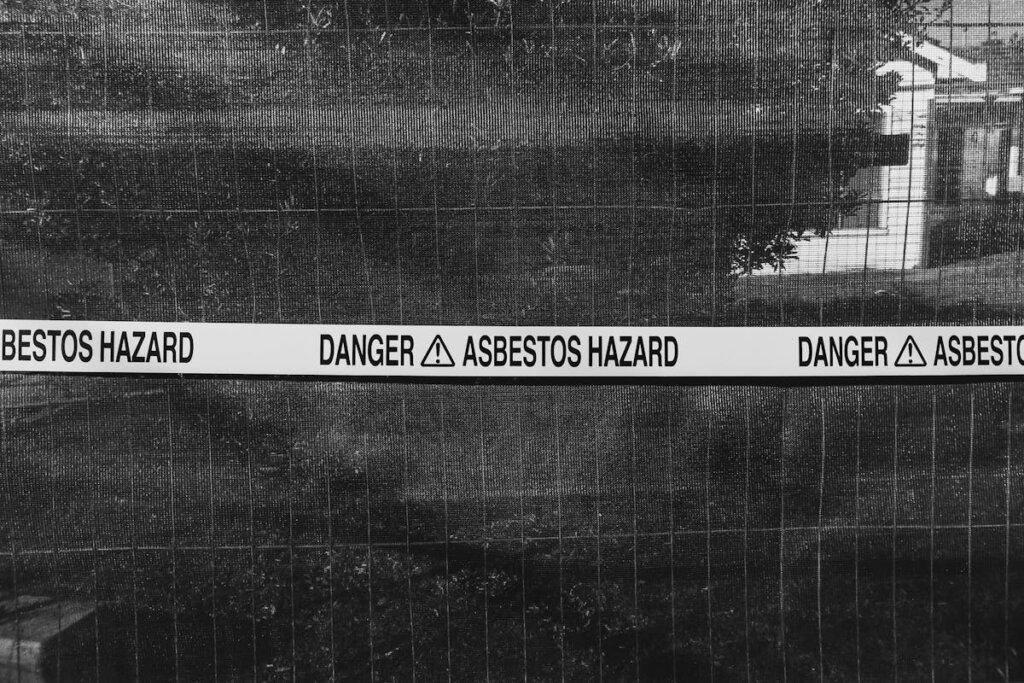
Many homeowners are surprised to learn that asbestos is still present in a large number of houses across Connecticut. If your property was built before the 1980s, there is a real possibility that asbestos exists somewhere in the structure. This often leads to a stressful question for homeowners who want to move on. Can you sell a house with asbestos in Connecticut without removing it first?
The short answer is yes. It is absolutely legal to sell a house with asbestos in Connecticut. However, selling a house with asbestos does come with challenges that you need to understand before deciding how to proceed. Knowing your legal responsibilities, buyer expectations, and available selling options can help you avoid unnecessary costs and delays.
Selling a house with asbestos is far more common than many people think. Thousands of older homes throughout the state contain asbestos materials, and many of them are sold every year without remediation. The key is choosing the right approach.
Why Asbestos Is Common in Connecticut Homes
Asbestos was widely used in residential construction for decades because it was durable, fire-resistant, and affordable. Builders commonly installed asbestos in insulation, floor tiles, ceiling materials, siding, roofing, pipe wrap, and adhesives. Homes built between the 1920s and late 1970s are especially likely to contain asbestos.
Connecticut has a large inventory of older homes, which makes selling a house with asbestos a frequent issue for homeowners. Many people live in homes with asbestos for years without problems because asbestos is not dangerous unless it is disturbed. Issues typically arise during renovations, deterioration, or inspections when asbestos becomes visible or damaged.
When homeowners discover asbestos, the fear of remediation costs often makes selling feel overwhelming. Understanding that you can sell a house with asbestos without removal is an important first step.
Is It Legal to Sell a House With Asbestos in Connecticut?
It is completely legal to sell a house with asbestos in Connecticut. There is no law requiring homeowners to remove asbestos before selling their property. What the law does require is disclosure of known material defects.
If you are aware that asbestos is present in your home, you must disclose that information to potential buyers. Selling a house with asbestos does not mean you must test for it or remove it, but if you have knowledge of its presence, transparency is required.
Failure to disclose known asbestos issues can lead to serious legal consequences after the sale. Buyers may pursue claims if they believe you intentionally concealed information. Honest disclosure protects you and helps prevent disputes after closing.
Where Asbestos Is Commonly Found
Selling a house with asbestos often depends on where the asbestos is located. Common areas include attic insulation, boiler and pipe insulation, vinyl floor tiles, old adhesives, siding shingles, and cement roofing materials. In many cases, asbestos is hidden behind walls or under flooring and does not pose an immediate risk.
Buyers tend to be more concerned when asbestos is friable, meaning it can crumble and release fibers into the air. Damaged insulation or deteriorating materials raise more red flags during inspections. Selling a house with asbestos that is intact and undisturbed is usually easier than selling one where materials are visibly breaking down.
Understanding the condition of the asbestos in your home can help you decide whether selling as is is the right move.
Challenges of Selling a House With Asbestos Traditionally
Selling a house with asbestos through a traditional real estate listing can be difficult. Many retail buyers are uncomfortable with asbestos due to health concerns and media coverage. Even if the asbestos is stable, the perception alone can scare buyers away.
Buyers using mortgages face additional hurdles. Lenders and insurers may require asbestos inspections or remediation before approving financing. This can lead to delays, renegotiations, or cancelled contracts. Selling a house with asbestos often becomes a drawn-out process when traditional financing is involved.
Appraisals can also be affected. Appraisers may note asbestos as a condition that impacts value, which can result in lower appraisals and reduced offers. Sellers often feel pressure to remove asbestos just to keep a deal alive.
The Cost and Risk of Asbestos Removal
Many homeowners assume they must remove asbestos to sell, but removal can be extremely expensive. Professional asbestos abatement often costs thousands or even tens of thousands of dollars, depending on the extent and location of the material.
Selling a house with asbestos after starting removal can also introduce new risks. Once testing and abatement begin, any contamination must be fully addressed according to strict regulations. Partial removal is not an option, and unexpected findings can increase costs quickly.
For these reasons, many homeowners choose to sell a house with asbestos without disturbing it. Selling as is allows you to avoid financial risk and uncertainty.
Selling a House With Asbestos As Is
Selling a house with asbestos as is means you are offering the property in its current condition and making it clear that you will not perform remediation. This approach is common for older homes and fixer-uppers.
When selling a house with asbestos as is, pricing becomes critical. Buyers expect a discount that reflects the presence of asbestos and the potential cost of dealing with it. While you may not achieve top market value, you avoid paying for abatement and ongoing holding costs.
As is, sales attract a different buyer pool. Investors, contractors, and cash buyers are often comfortable purchasing properties with asbestos because they plan renovations and remediation as part of their business model.
Why Cash Buyers Are Ideal When You Sell a House With Asbestos
Selling a house with asbestos to a cash buyer is often the easiest solution. Cash buyers do not rely on lenders, which eliminates many of the barriers associated with asbestos.
There are typically fewer inspections, no financing contingencies, and no appraisal requirements tied to loan approval. Cash buyers evaluate the property as a whole and factor asbestos into their offer upfront.
Speed is another advantage. Selling a house with asbestos to a cash buyer can close quickly, sometimes in a matter of days. This is especially helpful if the property is vacant, inherited, or becoming a financial burden.
How Neighbor Joe Helps Homeowners Sell Asbestos Properties
Neighbor Joe specializes in helping homeowners sell properties with complex issues. Selling a house with asbestos to Neighbor Joe means you do not need to test, remove, or remediate anything. The home is purchased as is.
There are no commissions, no inspection contingencies, and no hidden fees. You receive a fair cash offer based on the current condition of the property. Selling a house with asbestos through Neighbor Joe removes uncertainty and delays.
Because Neighbor Joe buys with cash, there is no risk of financing falling through due to asbestos concerns. You choose a closing date that fits your timeline and move on without stress.
Moving Forward After Selling a House With Asbestos
Sell your home for cash can feel like a major relief once it is complete. The responsibility, risk, and anxiety tied to the property are gone. Many homeowners wish they had sold sooner instead of worrying about abatement costs and buyer reactions.
If you are unsure whether to fix or sell, consider the full picture. Abatement costs, time, legal risk, and stress all add up. Selling a house with asbestos without removal is often the most practical decision for homeowners who want certainty and simplicity.
For Connecticut homeowners, selling a house with asbestos is not only possible, but it is also common. With the right strategy and buyer, you can sell confidently and move forward without unnecessary expense.