

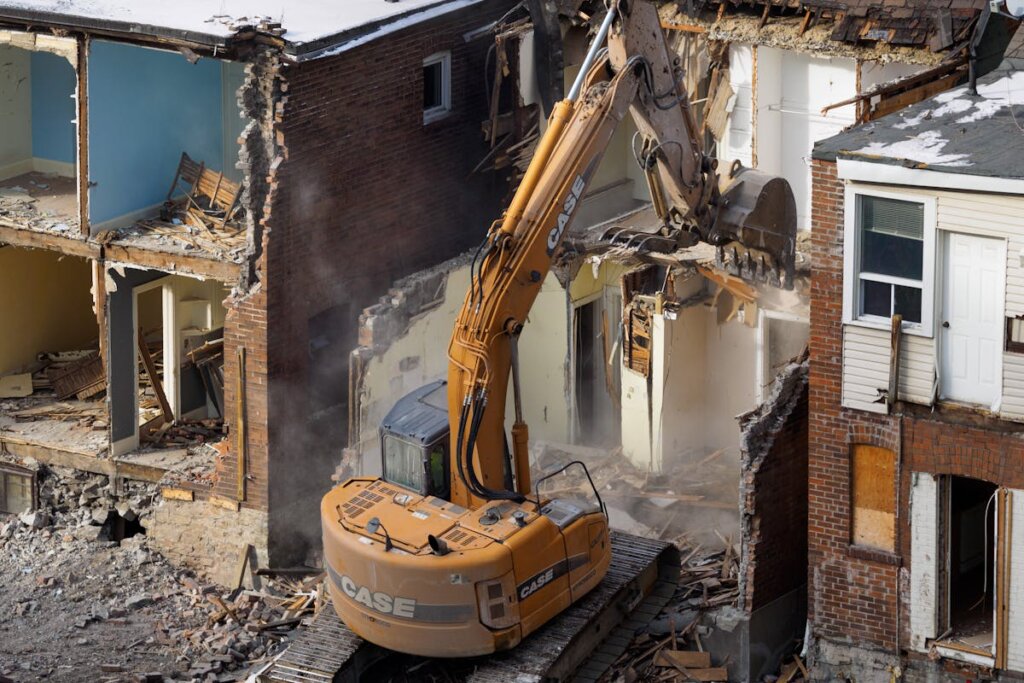
Owning property comes with certain responsibilities, especially when it comes to maintaining the safety and condition of the structure. In Connecticut, many homeowners worry about what might happen if their house falls into disrepair. A common question people ask is whether the city can demolish their property even if it has not officially been declared a condemned house in CT.
The idea of losing your home through demolition can be frightening. However, there are specific rules and legal processes that cities must follow before taking such drastic action. Understanding how local governments handle unsafe properties can help homeowners protect their rights and make informed decisions about their property.
What Is Considered a condemned house in CT?
A condemned house CT refers to a property that has been declared unsafe for human occupancy by a local building or health authority. When a home reaches this condition, the city may prohibit anyone from living in the property until the issues are resolved.
Condemnation typically occurs when a property poses a serious safety risk. This may include structural damage, severe mold contamination, fire damage, or other conditions that make the house dangerous. When officials determine that the home is no longer safe to occupy, they may issue an order declaring it a condemned house.
Once a property receives this designation, the homeowner must repair the issues or face additional enforcement actions from the city.
Can A City Tear Down A Home That Is Not A Condemned House CT?
In most cases, cities cannot simply demolish a property without following proper procedures. A home generally must first be classified as unsafe or hazardous before demolition becomes an option.
Even if a house is not officially labeled as a condemned house CT, the city can still begin enforcement actions if the property violates local building or safety codes. Municipal officials may issue warnings, fines, or orders requiring the homeowner to correct specific issues.
If the property continues to deteriorate and becomes a serious hazard to the community, the city may move toward declaring it unsafe. Once that happens, demolition could eventually become a possibility.
The process usually involves inspections, written notices, and opportunities for the homeowner to correct the problems before any demolition order is issued.
Situations Where Cities May Consider Demolition
While demolition is not the first step most cities take, there are situations where local governments may consider tearing down a structure.
One common situation involves severe structural damage. Homes with collapsing roofs, failing foundations, or major fire damage may be considered dangerous to neighboring properties or pedestrians.
Another scenario involves long-term neglect. When properties sit vacant for extended periods without maintenance, they can deteriorate rapidly. Broken windows, water damage, and structural instability may eventually turn the property into a public safety concern.
In some cases, abandoned homes attract vandalism or illegal activity. Cities may step in to address these properties if they believe the building creates risks for the surrounding neighborhood.
If these conditions worsen over time, officials may begin the process of declaring the property a condemned house CT before pursuing demolition.
The Legal Process Before a House Can Be Demolished
Connecticut cities must follow a legal process before demolishing private property. This process is designed to protect homeowners and ensure that demolition is only used when necessary.
Typically, the city will first inspect the property after receiving complaints or noticing unsafe conditions. If violations are found, the homeowner will receive a written notice explaining what needs to be repaired.
The notice often includes a deadline for completing the repairs. This allows the homeowner to fix the problems and bring the property into compliance with local codes.
If the repairs are not completed, additional enforcement actions may occur. The city may schedule hearings or additional inspections to determine whether the property should be classified as unsafe.
Only after these steps are completed could the home potentially be labeled a condemned house CT and considered for demolition.
How Property Maintenance Violations Can Escalate
Many homeowners do not realize how quickly small problems can turn into major issues with city officials. Minor maintenance concerns, such as roof leaks or structural damage, can worsen over time if they are not repaired.
For example, water damage can weaken framing and floors, creating safety hazards inside the home. Electrical issues may increase the risk of fire. Broken windows and doors may allow weather damage or vandalism to occur.
Over time, these issues can trigger building code violations that require immediate repairs. If homeowners cannot afford to fix these problems, the property may continue to deteriorate.
In extreme situations, repeated violations and unresolved safety concerns could eventually lead to the property being declared a condemned house, with a house sales tax in CT.
What Homeowners Can Do If Their Property Is at Risk
If your home is receiving code violations or warnings from the city, it is important to act quickly. Ignoring notices from local officials can make the situation worse and reduce the options available to you.
Some homeowners attempt to repair the property themselves or hire contractors to fix the most urgent issues. Even small improvements can sometimes prevent further enforcement action from the city.
Other homeowners explore refinancing or home improvement loans to fund repairs. While this option may help in some situations, it may not be practical for properties with extensive damage.
When repair costs become too high, some homeowners consider selling the property rather than continuing to invest in costly renovations.
The Financial Challenge of Maintaining Older Homes
Connecticut has many older homes that require regular maintenance to remain safe and functional. Roofing systems, plumbing lines, electrical wiring, and foundations all deteriorate over time.
Replacing these components can be extremely expensive. Some homeowners find themselves facing repair estimates that reach tens of thousands of dollars.
When homeowners cannot afford these repairs, the property may gradually decline in condition. This is one reason some properties eventually become classified as a condemned house, CT.
Rather than allowing the situation to worsen, many homeowners begin looking for ways to sell the property before additional enforcement actions occur.
Selling a Property That May Become a Condemned House in CT
Selling a home with major repair issues can be difficult through traditional real estate listings. Buyers using mortgage financing often require inspections and may not qualify for loans if the property has significant safety concerns.
In addition, buyers may negotiate aggressively if the home requires expensive repairs. This can reduce the final sale price and delay the transaction.
Some homeowners instead choose to sell their property directly to local cash buyers. Cash buyers often purchase homes in their current condition without requiring repairs or inspections.
This option can allow homeowners to sell their property before the situation escalates into a condemned house CT designation.
How Neighbor Joe Helps Connecticut Homeowners
Neighbor Joe works with Connecticut homeowners who are dealing with difficult property situations. Whether the home has serious repairs, code violations, or long-term neglect, the company can make a fair cash offer.
One of the advantages of selling to Neighbor Joe is that homeowners do not need to repair the property before selling. The home can be sold in its current condition without cleaning, staging, or renovations.
The process is also fast and simple. After contacting Neighbor Joe, homeowners can receive an offer and choose a closing date that fits their timeline.
This can be especially helpful for homeowners who are concerned about their property becoming a condemned house in CT due to repair issues.
Understanding Your Rights as a Connecticut Homeowner
While cities have the authority to enforce safety codes, they must follow legal procedures before demolishing private property. Homeowners usually receive multiple warnings and opportunities to fix violations before demolition is considered.
If you believe your property may be at risk, taking action early can help protect your investment. Whether that means making repairs, consulting with local officials, or exploring selling options, addressing the situation sooner rather than later is often the best strategy.
Understanding how the condemned house CT process works can help you make informed decisions and avoid unnecessary stress.