

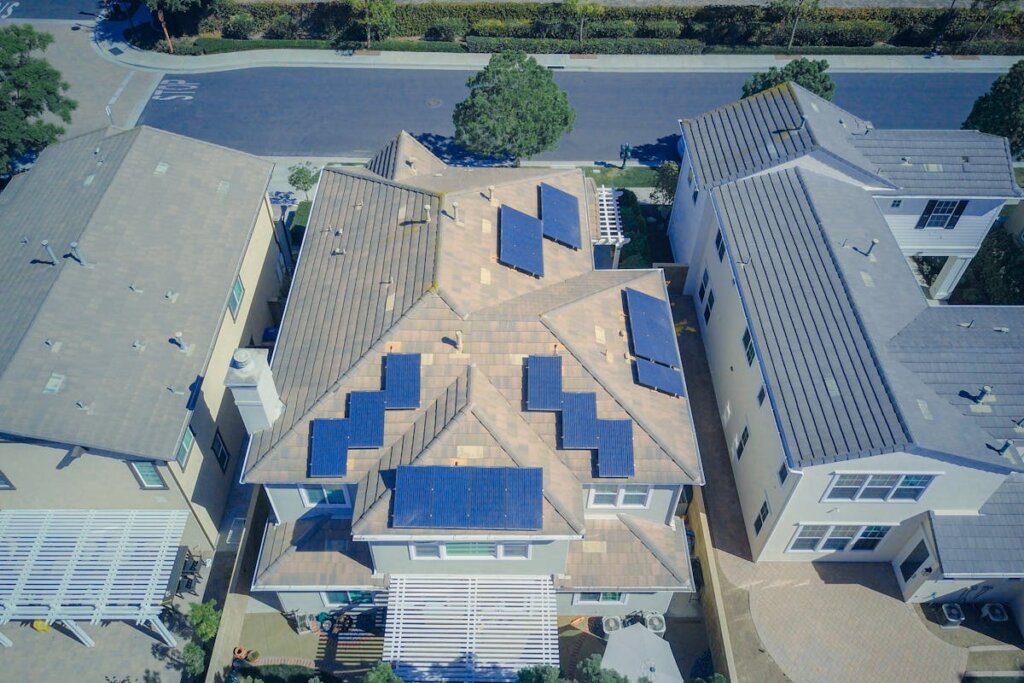
Homeowners across the state are asking the same question lately. Are solar panels worth it in Connecticut? With rising utility costs and growing interest in renewable energy, solar panels in CT have become more common on rooftops from Fairfield County to Hartford County.
Connecticut consistently ranks among the states with the highest electricity rates in the country. That reality alone has pushed many residents to explore alternatives to traditional utility power. Solar panels in CT offer homeowners the opportunity to reduce dependence on utility companies while taking advantage of state and federal incentives.
At the same time, installing solar is a significant financial decision. It requires an upfront investment, long-term planning, and an understanding of how solar systems affect property value. If you are considering solar panels in CT, it is important to understand both the benefits and the potential drawbacks.
The Cost of Electricity in Connecticut
One of the biggest reasons homeowners look into solar panels in CT is the high cost of electricity. Connecticut residents often pay more per kilowatt hour than the national average. Over time, those higher rates add up.
When electricity prices rise, homeowners with solar panels can shield themselves from some of those increases. A properly sized system can offset a large portion of your monthly electric bill. In some cases, homeowners generate more electricity than they use during sunny months, allowing them to receive credits through net metering.
Because Connecticut has strong net metering policies, solar panels in CT can provide consistent savings over the long term. Instead of paying increasing utility rates year after year, homeowners can lock in predictable energy costs.
Incentives for Solar Panels in CT
Connecticut offers several programs that make solar energy more attractive. The federal government currently provides a tax credit that allows homeowners to deduct a percentage of the installation cost from their federal taxes. This incentive significantly reduces the upfront cost of solar panels in CT.
In addition to federal incentives, Connecticut has state-level programs designed to encourage renewable energy adoption. These programs may include performance-based incentives or financing options that lower the initial barrier to entry.
Because of these combined incentives, the return on investment for solar panels in CT can be faster than in many other states. However, it is essential to review current program details, as incentive structures can change over time.
How Much Do Solar Panels in CT Cost?
The total cost of solar panels in CT depends on several factors, including system size, equipment quality, roof condition, and installation complexity. Most residential systems cost tens of thousands of dollars before incentives.
After applying federal tax credits and potential state incentives, the net cost decreases substantially. Many homeowners also choose financing options that allow them to spread payments over time instead of paying upfront.
When evaluating cost, it is important to think long-term. Solar panels typically last twenty-five to thirty years. Over that period, cumulative utility savings can exceed the initial installation cost. For homeowners planning to stay in their property for many years, solar panels in CT can provide meaningful financial benefits.
Do Solar Panels Increase Home Value in Connecticut?
A common question among sellers is whether solar panels in CT increase property value. In many cases, the answer is yes, especially when the panels are owned outright.
Buyers often view owned solar systems as an asset. They appreciate the reduced energy bills and environmental benefits. A home with solar panels in CT may stand out in competitive markets, particularly among environmentally conscious buyers.
However, leased solar systems can complicate a sale. If the panels are leased, the buyer must qualify to take over the lease agreement. This extra step can delay closing or discourage some buyers. Understanding the ownership status of your solar panels is critical before listing your home.
If you are considering installing solar primarily to boost resale value, you should carefully weigh the timing. The longer you own and benefit from the system before selling, the more likely you are to see a positive financial return.
Climate and Efficiency of Solar Panels in CT
Connecticut does not have the year-round sunshine of states like Arizona or California. Even so, solar panels in CT remain effective. Modern panels are designed to produce electricity even on cloudy days.
Connecticut averages enough sunlight annually to make solar a viable option. While production may dip during winter months due to shorter days and snow coverage, systems are typically designed to account for seasonal variation.
Snow usually slides off panels once the sun comes out, especially when installed at proper angles. Over the course of a year, solar panels in CT can generate substantial energy, even in a northeastern climate.
Environmental Benefits of Solar Panels in CT
Beyond financial savings, many homeowners choose solar panels in CT for environmental reasons. Solar energy reduces reliance on fossil fuels and lowers greenhouse gas emissions.
Connecticut has set renewable energy goals aimed at reducing the state’s carbon footprint. By installing solar panels, homeowners contribute to those broader sustainability efforts. For families concerned about climate change and environmental responsibility, solar represents a proactive step.
Solar panels in CT also reduce strain on the electrical grid during peak demand periods. This can improve overall energy stability in the community.
Potential Drawbacks to Consider
While there are clear advantages, solar panels in CT are not the right choice for every homeowner. The upfront investment can be significant, even with incentives. Roof condition is another important factor. If your roof needs replacement within a few years, it may make sense to complete that work before installing panels.
Shaded properties may not generate enough sunlight to justify the cost. Trees, neighboring buildings, and roof orientation all affect efficiency.
Homeowners who plan to move within a short time frame should carefully evaluate whether they will recover their investment. Although solar panels in CT can increase home value, the exact premium varies based on market conditions and buyer preferences.
It is also important to understand maintenance expectations. While solar systems generally require minimal upkeep, inverters may need replacement during the system’s lifespan.
Are Solar Panels in CT Worth It for You?
The answer depends on your financial goals, timeline, and property characteristics. For homeowners planning to stay in their house long term, solar panels in CT often provide strong returns through lower energy bills and tax incentives.
If you value environmental sustainability and want more control over your energy costs, solar can be a smart investment. High electricity rates in Connecticut make the savings potential more attractive than in states with cheaper power.
However, if you expect to sell soon or if your home has shading issues, you may want to run detailed projections before committing.
Every property is different. A professional solar assessment can help estimate energy production, savings, and payback period specific to your home.
What Happens If You Sell a Home With Solar Panels in CT?
If you already have solar panels in CT and plan to sell your home, transparency is key. Buyers will want documentation about system ownership, warranties, performance history, and any financing agreements.
Owned systems typically transfer smoothly to the new owner. Leased systems require additional paperwork and approval from the solar company.
In some cases, solar panels can make your property more attractive. In others, especially with complex lease terms, they may introduce additional steps in the transaction. Understanding your agreement before listing can prevent delays and surprises.
Final Thoughts on Solar Panels in CT
A CT house counter offer is a compelling mix of financial savings, environmental benefits, and long-term value. High electricity costs in Connecticut make renewable energy an appealing option for many homeowners.
While installation requires careful planning and upfront investment, incentives and net metering programs improve the overall return. Climate conditions in Connecticut are suitable for solar production, and modern technology ensures reliable performance throughout the year.
Ultimately, whether solar panels in CT are worth it depends on your personal circumstances. By evaluating your energy usage, financial plans, and long-term housing goals, you can determine if solar is the right move for your Connecticut home.